

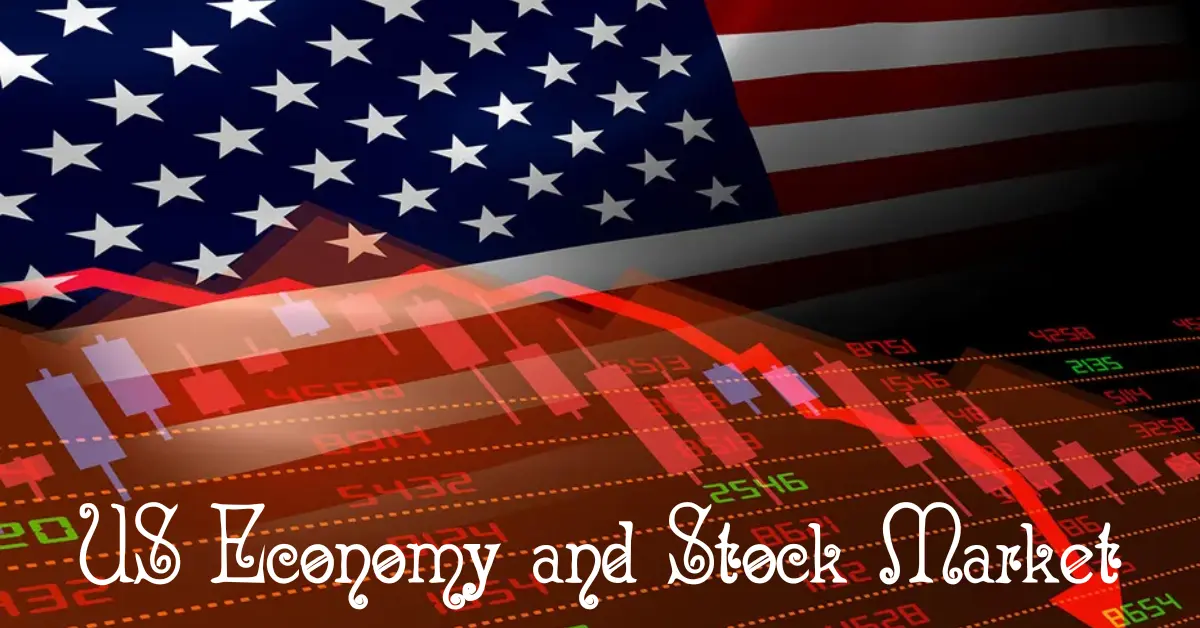
The US economy and stock market are deeply intertwined, with shifts in economic conditions often sending ripples through financial markets. Investors, businesses, and policymakers closely monitor key economic indicators—such as GDP growth, inflation rates, and unemployment figures—because these metrics offer crucial insights into the health of the economy and can signal potential market trends. Understanding this connection is essential for anyone looking to make informed investment decisions or navigate the complex landscape of the stock market.
Understanding the US Economy
The US economy serves as the backbone of the world’s largest financial system, influencing not just domestic markets but global trade and investment flows. To grasp its impact on the stock market, it’s essential to understand the key economic indicators, current trends, and the role of government policies.
Key Economic Indicators
Several metrics provide a snapshot of the US economy’s health:
- Gross Domestic Product (GDP): Measures overall economic output. Strong GDP growth often signals a thriving economy, which can boost investor confidence and stock prices.
- Unemployment Rate: A lower unemployment rate indicates a robust job market, while higher unemployment can slow consumer spending and affect corporate earnings.
- Inflation Rate: Moderate inflation is healthy, but high inflation can erode purchasing power and lead to tighter monetary policies, which can negatively impact the stock market.
- Consumer Spending: As the largest component of GDP, changes in consumer behavior often predict market trends.
May be you like it :
Finance Jobs in Qatar 2025 – Top Roles Salaries And Career Opportunities
Finance Yahoo NVDA – Latest Stock Performance Analysis And NVIDIA Investment Insights
Finance Quantitative – Complete Guide to Quantitative Finance Modeling And Analysis
Finance Wallpaper – Motivational Money And Business Wallpapers for Daily Inspiration
Finance Trainee Jobs – Guide to Entry Level Finance Careers And Programs
Current State of the US Economy in 2025
In 2025, the US economy is experiencing [insert current trend: growth, slowdown, or recovery], shaped by post-pandemic adjustments, technological innovation, and global economic pressures. Analysts are closely watching sectors like technology, healthcare, and energy to gauge potential investment opportunities.
How Economic Policies Influence Growth
Government actions, including fiscal stimulus, tax reforms, and Federal Reserve policies, play a critical role in shaping economic growth. For instance:
- Monetary Policy: Interest rate changes by the Federal Reserve can affect borrowing costs for businesses and consumers, influencing both economic activity and stock market performance.
- Fiscal Policy: Government spending and tax policies can stimulate or slow economic growth, indirectly impacting corporate profits and investor sentiment.
Understanding these components helps investors anticipate market movements and make strategic decisions, highlighting why tracking the US economy is crucial for anyone involved in the stock market.
How the Stock Market Reacts to the Economy

The stock market doesn’t operate in a vacuum; it responds directly to shifts in the US economy. Investors and traders constantly analyze economic data to anticipate market trends, manage risk, and identify profitable opportunities. Understanding these dynamics can help investors navigate market volatility and make more informed decisions.
Relationship Between Economic Data and Stock Prices
Economic indicators, such as GDP growth, unemployment rates, and inflation, play a significant role in shaping stock prices:
- GDP Growth: Strong economic expansion often boosts corporate earnings, which can drive stock prices higher. Conversely, slowing growth may trigger market pullbacks.
- Unemployment: Rising unemployment can reduce consumer spending, impacting revenue for companies across sectors. This often results in negative sentiment in the stock market.
- Inflation: Higher inflation can lead to increased interest rates, raising borrowing costs for businesses and putting downward pressure on stock valuations.
Sector-Specific Impacts
Different sectors respond uniquely to economic conditions:
- Technology: Sensitive to interest rate changes, as higher rates can increase the cost of capital for growth-focused companies.
- Energy: Influenced by economic growth and consumer demand, as well as global energy prices.
- Healthcare: Often more resilient, but still affected by policy changes and economic spending trends.
Investor Sentiment & Market Volatility
Even beyond raw economic data, investor sentiment heavily influences market behavior. Positive forecasts or policy announcements can trigger rallies, while uncertainty about economic stability may cause sharp sell-offs. Market volatility often peaks during periods of economic transition, making careful analysis of both data and sentiment essential.
By closely monitoring these economic signals, investors can better anticipate stock market movements and adjust their portfolios to manage risk and seize opportunities.
May be you like it :
Fintech Customer Service – Strategies to Improve Support And Enhance User Experience
Investing Order of Operations – Step-by-Step Guide for Smart Investing
Fintech Regulations – A Complete Guide to Compliance and Financial Technology Laws
Fintech Is Femme – Women Redefining Financial Innovation
Fintech Major – Top Universities Career Paths And Degree Guide
Historical Examples of Economy-Stock Market Interaction
Understanding the historical relationship between the US economy and stock market can provide valuable insights for investors. Past events demonstrate how economic conditions directly influence market performance and investor behavior.
Past Recessions and Stock Market Reactions
During economic downturns, such as the 2008 financial crisis or the early 2020 COVID-19 recession, stock markets often experience sharp declines. Key factors include:
- Reduced corporate earnings due to declining consumer spending.
- Investor panic and widespread sell-offs.
- Policy interventions by the Federal Reserve or government stimulus packages to stabilize the economy.
These recessions highlight the vulnerability of the stock market to sudden economic shocks, emphasizing the importance of monitoring economic indicators.
Periods of Economic Boom and Bull Markets
Conversely, periods of economic growth often coincide with bull markets. For example:
- The 1990s tech boom saw rapid GDP growth paired with soaring stock valuations, especially in technology and innovation-driven sectors.
- Post-2010 recovery after the Great Recession led to extended market rallies fueled by low interest rates and strong consumer spending.
- These examples illustrate how positive economic trends can lift investor confidence and stock market performance.
Lessons for Today’s Investors
Historical patterns reveal several lessons for modern investors:
- Economic indicators matter: Tracking GDP, inflation, and unemployment helps anticipate market trends.
- Diversification reduces risk: Economic shocks rarely affect all sectors equally.
- Policy impact is significant: Fiscal and monetary measures can create both opportunities and challenges for investors.
By learning from history, investors can better navigate the dynamic interplay between the US economy and stock market, positioning themselves to respond strategically to both growth and downturns.
May be you like it :
Digital Financial Officers – Driving Innovation and Efficiency in Modern Finance
US Economy and Stock Market – How Economic Trends Affect Investments in 2025
Economy Market San Leandro – Affordable Groceries And Local Deals
Economy and the Stock Market – How Economic Trends Impact Market Performance
Economy and War – Understanding the Economic Impact of Conflicts
Tips for Investors Navigating the US Economy and Stock Market
Investing successfully in today’s dynamic market requires a clear understanding of how the US economy influences stock performance. By combining economic awareness with strategic planning, investors can better manage risk and seize opportunities.
Diversifying Portfolios During Economic Uncertainty
Diversification is one of the most effective ways to reduce risk. By spreading investments across different sectors, asset classes, and regions, investors can protect their portfolios from sudden economic shocks. For example:
- Stocks in defensive sectors like healthcare and utilities often perform steadily during slowdowns.
- Commodities or bonds can act as hedges against inflation or market volatility.
Long-Term vs. Short-Term Strategies
- Long-Term Investing: Focusing on fundamentally strong companies allows investors to ride out short-term market fluctuations caused by economic uncertainty.
- Short-Term Trading: Traders can capitalize on market volatility, but this approach requires constant monitoring of economic indicators and market sentiment.
Monitoring Economic Indicators for Investment Decisions
Investors should regularly track key indicators to guide decision-making:
- GDP growth trends can suggest broader market directions.
- Inflation reports influence interest rate expectations and sector performance.
- Employment data can indicate consumer spending patterns, affecting company earnings.
By aligning investment strategies with the US economy’s movements, investors can make more informed decisions, reduce risks, and take advantage of market opportunities.
Conclusion
The US economy and stock market are closely connected, with economic trends directly shaping market performance and investor behavior. By understanding key indicators such as GDP growth, unemployment, and inflation, investors can anticipate market movements and make more informed decisions. Historical examples show how recessions and economic booms impact stock prices, while strategic approaches like portfolio diversification and monitoring economic data can help navigate volatility. Staying informed about the US economy is essential for both long-term investors and short-term traders looking to maximize opportunities and minimize risks in the stock market.
May be you like it :
Economic Marketing Environment – Key Factors Impacts and Strategies
Investing Questions – Top Beginner Questions Answered for Smart Investing
Investing Activities Examples – A Complete Guide for Investors and Businesses
Investing Quotes – 50 Inspiring Quotes to Motivate Your Financial Journey
Investing Rule – Top Strategies for Smart and Profitable Investments
