

Introduction
Have you ever thought about investing but felt overwhelmed by all the options and jargon? You’re not alone. Many beginners start their investing journey without asking the right questions, which can lead to confusion—or even costly mistakes.
Asking the right investing questions is essential to building a solid financial future. Whether you’re curious about stocks, bonds, mutual funds, or retirement planning, knowing what to ask helps you make informed decisions, reduce risk, and feel confident about your choices.
In this article, we’ll cover the most common investing questions every beginner should ask. By the end, you’ll have a clear roadmap to start investing wisely, even if you’re just getting started.
Why Asking the Right Investing Questions Matters

Investing can feel intimidating, especially for beginners. The financial world is full of options—stocks, bonds, ETFs, mutual funds, and more—and without the right guidance, it’s easy to make mistakes. This is where asking the right investing questions becomes crucial.
Smart questions help you:
- Clarify your goals: Are you investing for retirement, short-term growth, or passive income? Knowing your objective shapes your strategy.
- Understand risks: Every investment comes with risks. Asking the right questions ensures you know what you’re getting into.
- Make informed decisions: Instead of guessing or following trends, informed questions guide you toward investments that match your goals and risk tolerance.
- Avoid common mistakes: Beginners often rush into investments without fully understanding them. Proper questions prevent costly errors and frustration.
For those new to the world of finance, starting with beginner investing questions can make the process less overwhelming and more rewarding. Even seasoned investors continue to ask questions—because the right inquiries lead to smarter, more confident investment choices.
May be you like it :
Finance Jobs in Qatar 2025 – Top Roles Salaries And Career Opportunities
Finance Yahoo NVDA – Latest Stock Performance Analysis And NVIDIA Investment Insights
Finance Quantitative – Complete Guide to Quantitative Finance Modeling And Analysis
Finance Wallpaper – Motivational Money And Business Wallpapers for Daily Inspiration
Finance Trainee Jobs – Guide to Entry Level Finance Careers And Programs
Top 10 Common Investing Questions (And Answers)
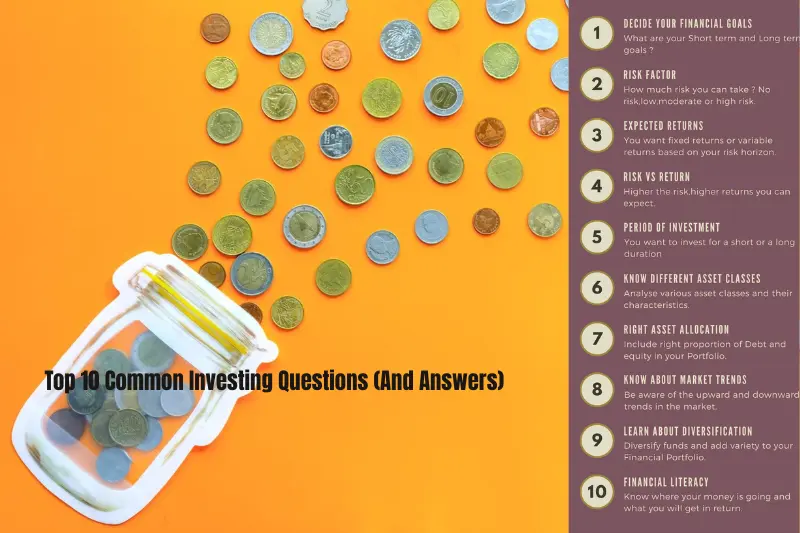
Investing can feel confusing at first, but asking the right questions helps you gain clarity and confidence. Here are the most common investing questions beginners ask, along with clear answers:
What is the best investment for beginners?
There isn’t a one-size-fits-all answer. Many beginners start with low-cost index funds or ETFs, which provide diversification and reduce risk. Your choice should match your goals and risk tolerance.
How much money should I start investing with?
You don’t need a fortune to start. Even small amounts, like $50–$100 a month, can grow over time thanks to compounding. The key is consistency.
What are the risks of investing in stocks?
Stock prices fluctuate, sometimes dramatically. The main risks include market volatility, company performance, and economic changes. Diversifying your portfolio helps manage these risks.
How do I diversify my portfolio?
Diversification means spreading investments across different asset types—stocks, bonds, real estate, and more. It reduces the impact of a single investment’s poor performance on your overall portfolio.
May be you like it :
Fintech Customer Service – Strategies to Improve Support And Enhance User Experience
Investing Order of Operations – Step-by-Step Guide for Smart Investing
Fintech Regulations – A Complete Guide to Compliance and Financial Technology Laws
Fintech Is Femme – Women Redefining Financial Innovation
Fintech Major – Top Universities Career Paths And Degree Guide
Should I invest in stocks, bonds, or mutual funds?
It depends on your goals and risk tolerance. Stocks offer growth potential but higher risk, bonds provide stability, and mutual funds give you diversification with professional management.
How does compounding work?
Compounding is when your investments earn returns, and those returns earn returns over time. The earlier you start investing, the more you benefit from compounding.
How often should I review my investments?
It’s good to review your portfolio at least quarterly or annually. Regular reviews ensure your investments stay aligned with your goals and risk tolerance.
What are the tax implications of investing?
Taxes vary depending on the investment type and account. Capital gains, dividends, and retirement accounts all have different tax rules. Knowing them can help you keep more of your returns.
How do I choose a financial advisor?
Look for certified professionals with experience, transparent fees, and a fiduciary duty to act in your best interest. Ask questions about their strategies and past results.
Can I invest with little knowledge and still succeed?
Yes! Many beginners succeed by educating themselves, starting small, and using simple, diversified investment strategies. Asking the right investing questions along the way is key.
Investing Questions for Different Goals
Not all investments serve the same purpose. Your investing questions should reflect your personal financial goals, whether you’re focused on short-term gains, long-term wealth, or retirement planning.
Short-Term Investing Questions
If your goal is to grow money over a few months or years, ask:
- Which investments are relatively low-risk and liquid?
- How can I protect my money from market fluctuations?
- What fees or penalties might I face if I need to access my funds early?
Long-Term Investing Questions
For goals like wealth-building over decades:
- How can I benefit from compounding over time?
- What mix of stocks, bonds, and other assets should I hold?
- How should I adjust my portfolio as I approach my goal?
Retirement Investing Questions
If your focus is retirement:
- What types of retirement accounts (401k, IRA, Roth IRA) fit my situation?
- How much should I contribute monthly to meet my retirement goals?
- How do I balance growth with risk as I get closer to retirement?
Passive Income Investing Questions
For those looking to generate ongoing income:
- Which investments provide consistent dividends or interest?
- How much capital do I need to generate a reliable income stream?
- What are the tax implications of passive income?
Asking goal-specific questions helps you create a strategy tailored to your financial needs. By focusing on the right questions for your situation, you’re more likely to achieve success without unnecessary risk.
May be you like it :
Digital Financial Officers – Driving Innovation and Efficiency in Modern Finance
US Economy and Stock Market – How Economic Trends Affect Investments in 2025
Economy Market San Leandro – Affordable Groceries And Local Deals
Economy and the Stock Market – How Economic Trends Impact Market Performance
Economy and War – Understanding the Economic Impact of Conflicts
Mistakes to Avoid When Asking Investing Questions
Even asking questions doesn’t guarantee success—if you ask the wrong ones. Many beginners make common mistakes that can lead to confusion, poor decisions, or missed opportunities. Knowing what not to ask is just as important as knowing what to ask.
Asking Vague Questions
Questions like “What should I invest in?” are too broad. Instead, be specific: “Which low-risk investments are suitable for a beginner with a 5-year goal?” Specific questions lead to actionable answers.
Ignoring Risk
Some beginners focus only on potential gains, ignoring risks. Always ask about the risk profile of any investment: “What could go wrong, and how much could I lose?”
Following Trends Blindly
Avoid questions that rely on hype, like “Is this stock going to go up next week?” Instead, focus on long-term value and fundamentals.
Overlooking Fees and Taxes
Many investors fail to consider fees and taxes, which can eat into returns. Ask questions like: “What fees apply to this investment?” or “How are gains taxed?”
Not Asking About Goals
Investing without a goal is like sailing without a compass. Always tie your questions to your objectives: “How does this investment help me reach my retirement goal?”
By avoiding these pitfalls, your investing questions will become sharper, more productive, and more likely to guide you toward financial success.
Tools & Resources to Help Answer Your Investing Questions
Even with the right questions, beginners often need guidance to make informed decisions. Luckily, there are plenty of tools and resources to help you understand investing, analyze opportunities, and track your progress.
Online Investing Platforms
Platforms like Vanguard, Fidelity, or Robinhood allow beginners to start investing with small amounts. They often include educational sections and portfolio tracking tools.
Financial Calculators
Calculators help you estimate returns, understand compounding, and plan for retirement. Popular tools include investment growth calculators, retirement planners, and risk assessment tools.
Books & Guides
Books like The Intelligent Investor or A Random Walk Down Wall Street provide foundational knowledge. Beginner-friendly guides break down concepts like stocks, bonds, ETFs, and diversification.
Online Courses & Tutorials
Websites like Coursera, Khan Academy, or Udemy offer courses on investing basics, stock analysis, and financial planning. They’re ideal for learning at your own pace.
Forums & Communities
Participating in forums like Reddit’s r/personalfinance or investment-focused Facebook groups allows you to ask questions and learn from others’ experiences.
Professional Advisors
Certified financial planners or investment advisors can provide personalized guidance, helping you answer questions specific to your financial situation and goals.
By leveraging these tools, you can confidently tackle your investing questions, make informed decisions, and avoid costly mistakes.
Conclusion
Asking the right investing questions is the first step toward building a strong financial future. From understanding risks and diversifying your portfolio to setting goals and choosing the right resources, the questions you ask guide every decision you make.
Even beginners can make smart, informed choices by focusing on common investing questions and tailoring inquiries to their specific goals—whether it’s short-term growth, long-term wealth, retirement planning, or generating passive income.
Start today by creating your own list of investing questions, leveraging the tools and resources available, and seeking guidance when needed. Remember, smart questions lead to smarter investing—and ultimately, greater financial confidence and success.
May be you like it :
Economic Marketing Environment – Key Factors Impacts and Strategies
Investing Questions – Top Beginner Questions Answered for Smart Investing
Investing Activities Examples – A Complete Guide for Investors and Businesses
Investing Quotes – 50 Inspiring Quotes to Motivate Your Financial Journey
Investing Rule – Top Strategies for Smart and Profitable Investments
