


Introduction
The fintech industry has revolutionized the way we manage, invest, and transfer money, bringing convenience and innovation to millions worldwide. However, with rapid growth comes the need for robust oversight to ensure security, transparency, and consumer protection. This is where fintech regulations play a critical role. By adhering to established rules and guidelines, companies can navigate the complex landscape of financial technology while minimizing risks. Understanding these regulations—ranging from financial technology laws to compliance in fintech practices—is essential for startups, investors, and established financial institutions alike.
What Are Fintech Regulations?
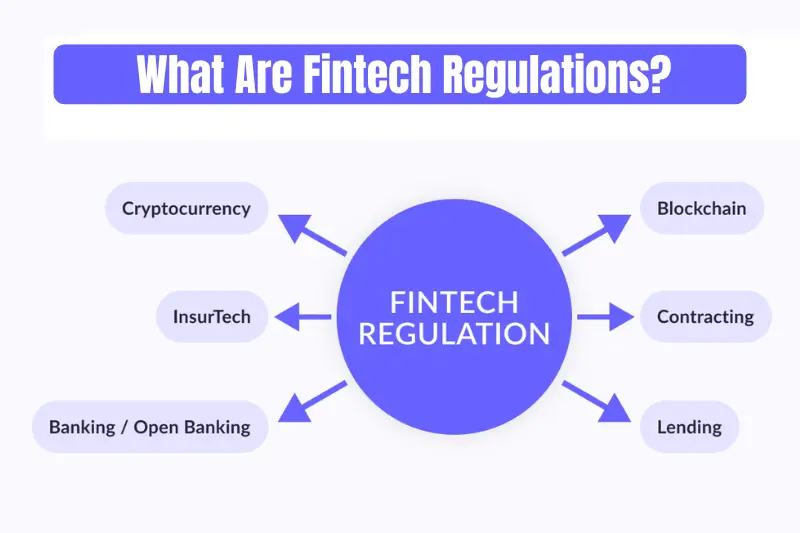
Fintech regulations are a set of legal rules and guidelines designed to govern the operations of financial technology companies. These regulations exist to ensure that fintech firms operate safely, ethically, and transparently, protecting consumers, investors, and the broader financial system. As the fintech sector continues to grow, governments and regulatory bodies worldwide are implementing laws to address the unique risks associated with digital banking, payments, lending platforms, and investment technologies.
At their core, fintech regulations cover areas such as financial compliance, fintech laws, and the overall regulatory framework that governs financial technology companies. Compliance ensures that firms are not only legally operating but also following best practices in areas like consumer protection, anti-fraud measures, and secure handling of sensitive data.
Regulatory oversight varies across regions, with different countries imposing specific requirements depending on their financial systems. For example, the United States relies on bodies like the SEC and CFPB, while the UK has the FCA overseeing fintech compliance. Understanding these regulations is crucial for fintech startups looking to expand globally, as well as for investors seeking secure opportunities in this fast-evolving industry.
May be you like it :
Finance Jobs in Qatar 2025 – Top Roles Salaries And Career Opportunities
Finance Yahoo NVDA – Latest Stock Performance Analysis And NVIDIA Investment Insights
Finance Quantitative – Complete Guide to Quantitative Finance Modeling And Analysis
Finance Wallpaper – Motivational Money And Business Wallpapers for Daily Inspiration
Finance Trainee Jobs – Guide to Entry Level Finance Careers And Programs
Key Areas of Fintech Compliance
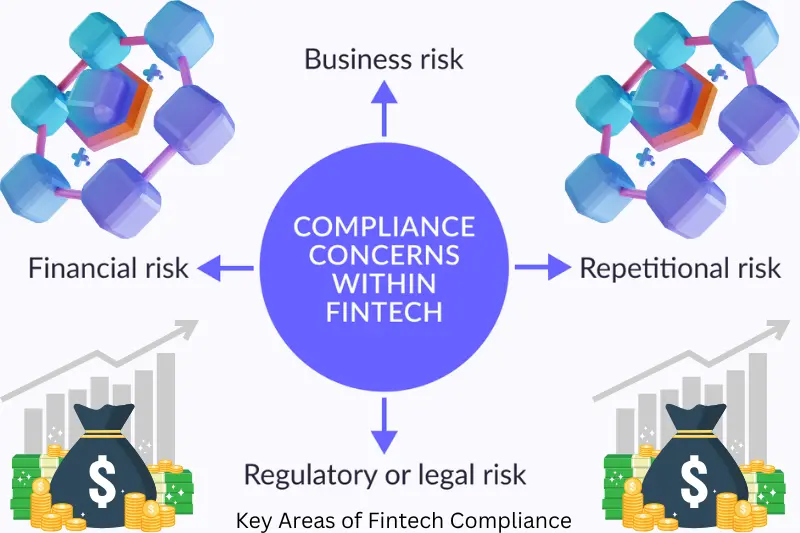
For fintech companies, understanding and adhering to key compliance areas is essential to operate legally and maintain consumer trust. Fintech regulations cover multiple aspects of operations, from customer verification to data protection, ensuring that financial technology firms follow ethical and legal standards.
Anti-Money Laundering (AML) and Know Your Customer (KYC) Regulations
AML and KYC regulations are fundamental for preventing fraud, money laundering, and other financial crimes. Fintech companies must verify the identity of their customers and monitor transactions for suspicious activity. By following these regulations, firms demonstrate responsible operation and compliance in fintech practices.
Data Privacy and Cybersecurity
Data protection is another critical compliance area. Regulations such as GDPR in Europe and CCPA in the United States require fintech companies to safeguard customer data and ensure privacy. Secure handling of sensitive financial information not only protects consumers but also minimizes the risk of regulatory penalties.
Licensing and Operational Approvals
Before launching their services, fintech firms often need to obtain specific licenses from regulatory authorities. These approvals confirm that the company meets all legal requirements to operate in a particular region. Ensuring compliance with financial technology laws and licensing rules helps fintech firms avoid operational disruptions and reputational damage.
By addressing these key areas, fintech companies can build trust with customers, reduce risks, and ensure long-term sustainability in a competitive market.
Challenges in Fintech Regulation
While fintech regulations are essential for ensuring safety and compliance, many companies face significant challenges in navigating the complex regulatory landscape. The fast-paced growth of financial technology often outpaces regulatory updates, creating hurdles for startups and established firms alike.
Rapid Technological Innovation vs. Slow Regulatory Adaptation
Fintech companies frequently develop new solutions—such as digital wallets, blockchain applications, and AI-driven financial services—faster than regulators can implement corresponding rules. This gap can create uncertainty about what is legally permissible, making compliance a moving target for many firms.
Global vs. Local Regulatory Differences
Operating across borders adds another layer of complexity. Each country or region may have its own set of financial technology laws and compliance requirements. Companies expanding internationally must navigate a patchwork of regulations, which can lead to higher costs and operational challenges.
Cost and Complexity of Compliance
Implementing robust compliance programs requires significant investment in staff, technology, and legal expertise. For smaller fintech startups, these costs can be a major burden. Even larger organizations must constantly update systems to keep pace with changing fintech compliance challenges.
Understanding these challenges is crucial for companies aiming to maintain regulatory compliance while driving innovation. By proactively addressing these hurdles, fintech firms can reduce risks, protect customers, and build a reputation for reliability.
May be you like it :
Fintech Customer Service – Strategies to Improve Support And Enhance User Experience
Investing Order of Operations – Step-by-Step Guide for Smart Investing
Fintech Regulations – A Complete Guide to Compliance and Financial Technology Laws
Fintech Is Femme – Women Redefining Financial Innovation
Fintech Major – Top Universities Career Paths And Degree Guide
Future of Fintech Regulations
As financial technology continues to evolve, the landscape of fintech regulations is also changing to keep pace with innovation. Emerging technologies such as blockchain, artificial intelligence (AI), and digital banking solutions are reshaping the industry, prompting regulators to develop new rules and frameworks.
Impact of AI and Blockchain on Compliance
AI-driven financial services, including automated investment platforms and fraud detection tools, are transforming how fintech companies operate. Regulators are increasingly focusing on AI in fintech compliance, ensuring that these technologies are used ethically and transparently. Similarly, blockchain and cryptocurrency innovations require specific oversight, leading to evolving blockchain regulation standards globally.
Digital Banking Regulations
The rise of digital-only banks and neobanks has prompted governments to create specialized digital banking regulations. These regulations focus on safeguarding customer funds, ensuring cybersecurity, and maintaining fair competition in the financial sector.
Predictions for the Next 5 Years
Experts anticipate a trend toward more unified, international frameworks for fintech compliance, which could simplify cross-border operations. Additionally, regulatory technology (RegTech) solutions are expected to play a significant role, helping companies automate compliance processes and reduce operational risks.
By staying informed about these future trends, fintech firms can proactively adapt to regulatory changes, maintain compliance, and continue innovating in a secure and trusted environment.
May be you like it :
Digital Financial Officers – Driving Innovation and Efficiency in Modern Finance
US Economy and Stock Market – How Economic Trends Affect Investments in 2025
Economy Market San Leandro – Affordable Groceries And Local Deals
Economy and the Stock Market – How Economic Trends Impact Market Performance
Economy and War – Understanding the Economic Impact of Conflicts
How Companies Can Stay Compliant
Navigating fintech regulations can be complex, but companies that take proactive measures can ensure compliance while fostering growth and trust. Implementing effective strategies helps fintech firms avoid legal penalties, protect customer data, and build a strong reputation in the financial industry.
Invest in RegTech Solutions
Regulatory technology, or RegTech, provides tools to automate compliance processes, monitor transactions, and detect risks in real-time. By integrating RegTech solutions, fintech companies can streamline operations and reduce the burden of manual compliance checks.
Conduct Regular Audits and Staff Training
Routine internal audits and employee training programs ensure that everyone in the organization understands current regulations and follows best practices. This approach minimizes errors and strengthens a culture of compliance.
Work Closely with Legal Advisors
Partnering with legal and regulatory experts ensures that fintech firms stay updated with changes in financial technology laws. Legal guidance helps companies interpret complex rules and implement effective fintech compliance strategies.
Implement Robust Risk Management Practices
Effective risk management in fintech involves identifying potential regulatory risks and developing strategies to mitigate them. This includes monitoring new regulations, assessing operational risks, and maintaining transparent reporting mechanisms.
By focusing on these key strategies, fintech companies can maintain regulatory compliance, protect their customers, and position themselves for sustainable growth in a competitive industry.
Conclusion
The world of financial technology is evolving rapidly, and fintech regulations play a vital role in ensuring that innovation occurs safely, ethically, and transparently. From AML and KYC compliance to data protection and licensing requirements, understanding and adhering to these rules is essential for startups, investors, and established companies alike.
As technology advances, challenges such as cross-border compliance, regulatory complexity, and the integration of AI and blockchain will continue to shape the industry. By adopting effective fintech compliance strategies, investing in RegTech solutions, and maintaining robust risk management practices, companies can navigate this dynamic landscape with confidence.
Staying informed about the latest financial technology laws and evolving regulatory frameworks is not just a legal necessity—it’s a strategic advantage. Fintech firms that prioritize compliance will not only protect their customers but also strengthen their credibility and position themselves for long-term success in a rapidly changing market.
May be you like it :
Economic Marketing Environment – Key Factors Impacts and Strategies
Investing Questions – Top Beginner Questions Answered for Smart Investing
Investing Activities Examples – A Complete Guide for Investors and Businesses
Investing Quotes – 50 Inspiring Quotes to Motivate Your Financial Journey
Investing Rule – Top Strategies for Smart and Profitable Investments
