


Investing can seem like navigating a maze without a map. With countless options, market fluctuations, and financial advice everywhere, it’s easy to feel overwhelmed. This is where the investing rule comes in—a simple yet powerful guideline designed to help both beginners and seasoned investors make smarter financial decisions. By understanding and applying key investing rules, you can avoid costly mistakes, reduce unnecessary risks, and build a portfolio that grows steadily over time.
Following a proven investing rule isn’t just about making money; it’s about creating a disciplined approach that brings long-term financial stability and peace of mind. Imagine confidently choosing investments that align with your goals, knowing you have a strategy to weather market ups and downs. Whether you’re aiming for wealth accumulation, retirement planning, or financial security, adhering to core investing rules can dramatically improve your outcomes. In this article, we’ll explore the most important investing rules and how they can guide you toward smarter, more profitable decisions in your financial journey.
What Is an Investing Rule?
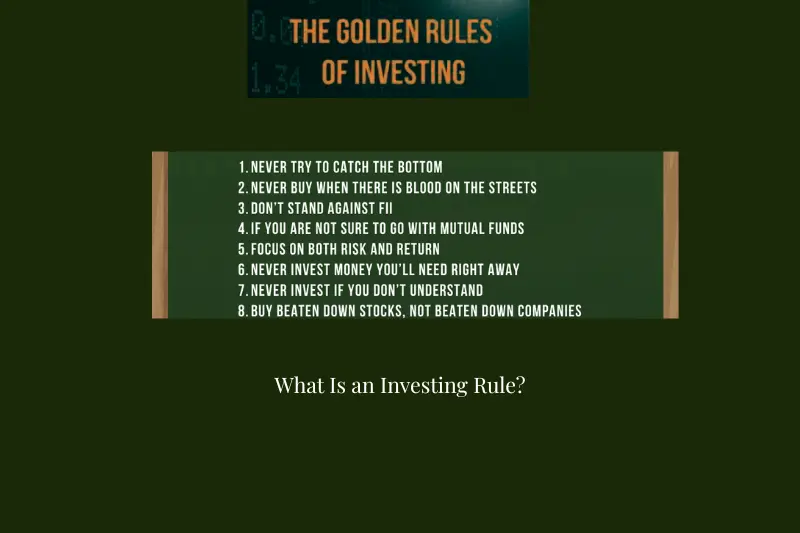
An investing rule is a fundamental guideline or principle that helps individuals make informed decisions about where, when, and how to invest their money. These rules are designed to reduce risk, maximize returns, and promote a disciplined approach to financial growth. Whether you are a beginner or an experienced investor, understanding these rules can help you navigate the often complex world of investing with confidence.
Investing rules can cover a wide range of strategies, from managing risk and diversifying your portfolio to setting long-term goals and avoiding impulsive decisions. They are not strict laws but rather practical advice based on proven financial principles and historical market behavior. By following these rules, investors can make smarter choices, protect their capital, and work toward consistent growth over time.
In essence, investing rules serve as a roadmap for financial success. They simplify complex investment decisions, provide clarity during market uncertainty, and help investors maintain focus on their long-term objectives. In the following sections, we’ll explore some of the most important investing rules that everyone should know.
May be you like it :
Finance Jobs in Qatar 2025 – Top Roles Salaries And Career Opportunities
Finance Yahoo NVDA – Latest Stock Performance Analysis And NVIDIA Investment Insights
Finance Quantitative – Complete Guide to Quantitative Finance Modeling And Analysis
Finance Wallpaper – Motivational Money And Business Wallpapers for Daily Inspiration
Finance Trainee Jobs – Guide to Entry Level Finance Careers And Programs
Top Investing Rules Everyone Should Know

Investing successfully isn’t about luck—it’s about following proven principles. Below are some essential investing rules that can guide you toward smarter financial decisions and long-term growth.
Rule #1 – Diversify Your Portfolio
One of the most important investment strategies is diversification. By spreading your investments across different asset classes—such as stocks, bonds, real estate, and mutual funds—you reduce the risk of losing everything if one investment underperforms. Diversification helps balance your portfolio and ensures steadier returns over time.
Rule #2 – Invest for the Long Term
Long-term investing is a cornerstone of financial success. Markets can be unpredictable in the short term, but staying invested for years allows compound growth to work in your favor. Avoid trying to time the market; instead, focus on investments that align with your long-term goals.
Rule #3 – Understand Your Risk Tolerance
Every investor has a different comfort level with risk. Some prefer steady, low-risk options, while others are willing to take on higher risk for potentially higher returns. Understanding your risk tolerance helps you choose investments that suit your personality and financial situation, reducing stress and improving decision-making.
Rule #4 – Avoid Emotional Decisions
Emotions can be your worst enemy in investing. Fear and greed often drive poor choices, like panic selling during a market dip or over-investing during a boom. Stick to your investment plan, rely on data, and make rational decisions to protect your wealth.
Rule #5 – Keep Learning and Updating Your Strategy
The financial world is constantly evolving. Successful investors continuously educate themselves, monitor market trends, and refine their strategies. Following this investment advice ensures that your portfolio remains resilient and aligned with your goals.
May be you like it :
Fintech Customer Service – Strategies to Improve Support And Enhance User Experience
Investing Order of Operations – Step-by-Step Guide for Smart Investing
Fintech Regulations – A Complete Guide to Compliance and Financial Technology Laws
Fintech Is Femme – Women Redefining Financial Innovation
Fintech Major – Top Universities Career Paths And Degree Guide
Common Mistakes Investors Make
Even experienced investors can fall into common traps that hurt their financial growth. By understanding these pitfalls, you can avoid costly errors and follow the right investing rules for long-term success.
Mistake #1 – Lack of Diversification
Putting all your money into one investment or asset class increases risk dramatically. Failing to diversify can lead to significant losses if the market shifts unexpectedly. Following the rule of portfolio diversification helps protect your capital and ensures more stable returns.
Mistake #2 – Trying to Time the Market
Many investors attempt to buy low and sell high, but predicting market movements consistently is nearly impossible. Emotional decisions based on market swings often result in losses. Sticking to a long-term investment strategy is far more effective than attempting to time the market.
Mistake #3 – Ignoring Risk Tolerance
Investing without understanding your personal comfort with risk can lead to panic selling or overexposure to volatile assets. Evaluating your risk tolerance ensures your investment choices align with your goals and stress levels.
Mistake #4 – Neglecting Research
Investing blindly without researching companies, funds, or markets is a common error. Relying solely on tips or trends can result in poor financial outcomes. Following investment advice and conducting thorough research keeps you informed and in control of your portfolio.
Mistake #5 – Failing to Review and Adjust
Markets change, and so should your strategy. Failing to monitor and update your investments can cause missed opportunities or unnecessary losses. Regularly reviewing your portfolio ensures it continues to align with your financial planning goals.
May be you like it :
Digital Financial Officers – Driving Innovation and Efficiency in Modern Finance
US Economy and Stock Market – How Economic Trends Affect Investments in 2025
Economy Market San Leandro – Affordable Groceries And Local Deals
Economy and the Stock Market – How Economic Trends Impact Market Performance
Economy and War – Understanding the Economic Impact of Conflicts
How to Apply Investing Rules in Real Life
Knowing the best investing rules is only half the battle—the real impact comes from applying them consistently. Here’s how you can put these principles into practice:
Set Clear Financial Goals
Before investing, define your objectives. Are you saving for retirement, a home, or building wealth? Clear goals help you choose the right investments and stick to a strategy, making it easier to follow investment strategies effectively.
Create a Diversified Portfolio
Apply the rule of diversification by spreading your investments across multiple assets, industries, and risk levels. For example, combine stocks, bonds, and ETFs to balance growth and security. This approach minimizes risk and maximizes the potential for steady returns.
Stick to a Long-Term Plan
Avoid making impulsive decisions based on short-term market fluctuations. Commit to a long-term investment strategy, allowing your assets to grow over time and benefit from compound growth. Patience is one of the most powerful tools for financial success.
Monitor Your Risk Exposure
Regularly assess whether your investments align with your risk tolerance. Adjust allocations if necessary to maintain comfort and stability, ensuring that market volatility doesn’t derail your financial plan.
Educate Yourself Continuously
Stay informed about market trends, investment tools, and financial news. Continuous learning helps you refine your approach and ensures your investment planning remains effective in changing market conditions.
By consistently applying these practical steps, you turn the investing rules from theory into actionable strategies, paving the way for smarter decisions and long-term financial growth.
Frequently Asked Questions (FAQ)
Q1: What is the most important investing rule?
The most important rule is to diversify your portfolio. Spreading your investments across different assets reduces risk and creates more stable returns over time.
Q2: How many investing rules should I follow?
While there are many strategies, focusing on 5–7 core rules—such as diversification, long-term investing, risk management, avoiding emotional decisions, and continuous learning—is usually sufficient for consistent success.
Q3: Can investing rules guarantee profits?
No investment is completely risk-free, and profits cannot be guaranteed. However, following proven investing rules helps reduce losses, manage risks, and improve the likelihood of long-term growth.
Q4: How do I start applying investing rules today?
Start by setting clear financial goals, building a diversified portfolio, understanding your risk tolerance, and committing to a long-term strategy. Regularly review and adjust your investments as needed.
Conclusion
Following a proven investing rule is essential for achieving financial success. By diversifying your portfolio, investing for the long term, understanding your risk tolerance, avoiding emotional decisions, and continuously educating yourself, you create a disciplined approach that minimizes risks and maximizes growth.
Investing is not about luck—it’s about strategy, patience, and informed decision-making. By applying these core rules consistently, you can confidently navigate market fluctuations, protect your capital, and work toward long-term wealth. Start implementing these investing rules today to build a secure financial future and achieve your personal financial goals.
May be you like it :
Economic Marketing Environment – Key Factors Impacts and Strategies
Investing Questions – Top Beginner Questions Answered for Smart Investing
Investing Activities Examples – A Complete Guide for Investors and Businesses
Investing Quotes – 50 Inspiring Quotes to Motivate Your Financial Journey
Investing Rule – Top Strategies for Smart and Profitable Investments
