

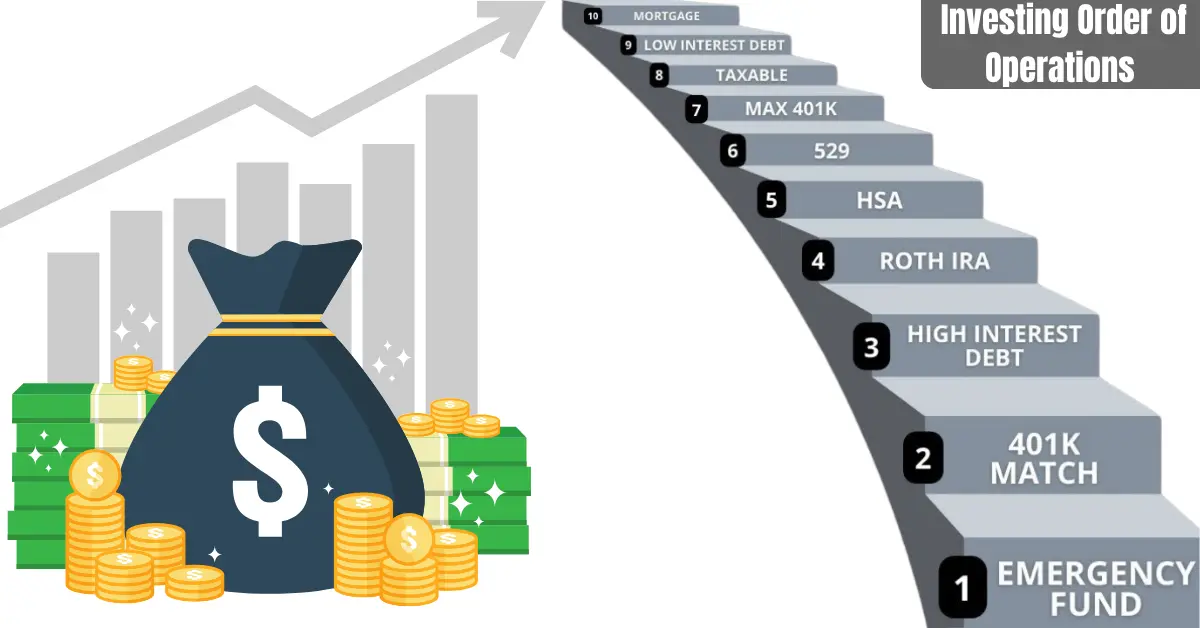
Investing wisely isn’t just about picking the right stocks or funds—it’s about knowing the investing order of operations. Just like solving a math problem requires following the correct steps, building long-term wealth demands a clear, step-by-step strategy. Without a defined sequence, even the smartest investment choices can fall short, leading to unnecessary risk or missed opportunities.
A strong investment strategy begins with a solid financial foundation, followed by carefully timed moves into retirement accounts, diversified portfolios, and regular portfolio reviews. Skipping or rearranging these steps can cost you more than just potential returns—it can derail your entire financial planning process. Many investors make the mistake of diving straight into high-risk investments or neglecting debt repayment, only to realize later that they could have grown their wealth more efficiently with a structured approach.
This guide will walk you through the investing order of operations, helping you make smarter decisions, avoid common pitfalls, and create a roadmap for lasting financial success. By following this sequence, you can practice smart investing with confidence and clarity.
Why the Investing Order of Operations Matters
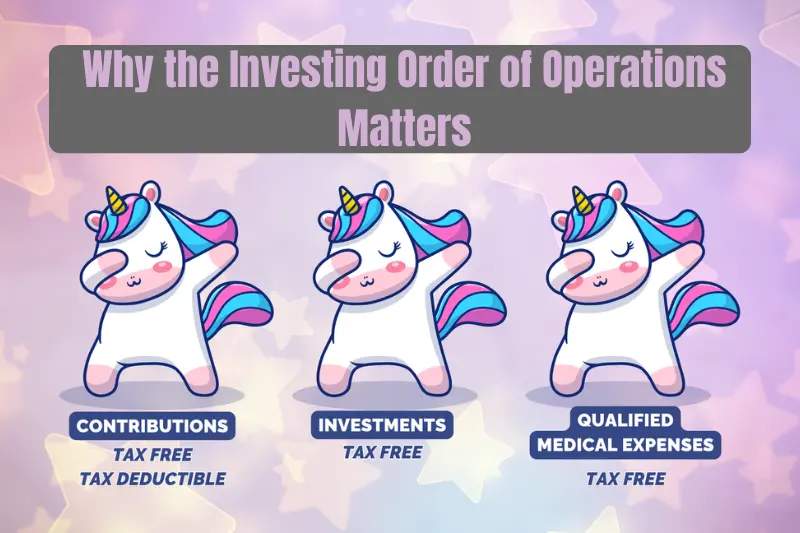
Understanding the investing order of operations is crucial because the sequence in which you make financial decisions can significantly impact your long-term wealth. Think of it like building a house: a solid foundation is essential before adding walls or a roof. In investing, skipping foundational steps can expose you to unnecessary risks, reduce potential gains, or leave you unprepared for financial emergencies.
Following a proper sequence allows you to prioritize key aspects such as establishing an emergency fund, managing debt, and taking advantage of tax-advantaged accounts. These steps form the backbone of a successful investment strategy. Once the foundation is secure, you can move confidently into diversifying your portfolio, balancing risk and reward, and planning for retirement.
Many investors overlook this structured approach, focusing instead on chasing high returns or trendy investments. This common mistake often leads to stress, losses, or missed opportunities for compounding growth. By respecting the investing order of operations, you create a clear path toward financial stability, maximize your returns, and practice smart investing that aligns with your long-term goals.
May be you like it :
Economic Marketing Environment – Key Factors Impacts and Strategies
Investing Questions – Top Beginner Questions Answered for Smart Investing
Investing Activities Examples – A Complete Guide for Investors and Businesses
Investing Quotes – 50 Inspiring Quotes to Motivate Your Financial Journey
Investing Rule – Top Strategies for Smart and Profitable Investments
Establish Financial Foundations
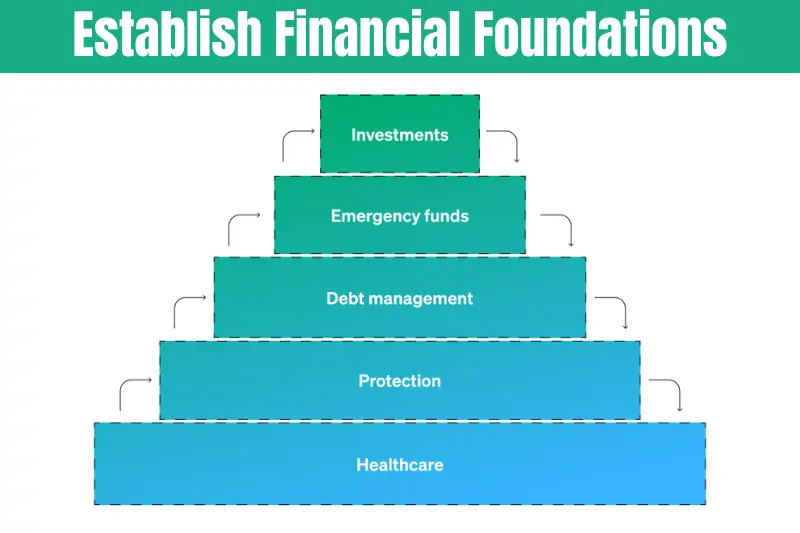
The first step in the investing order of operations is building a strong financial foundation. Before you invest in stocks, bonds, or other assets, it’s essential to secure your financial stability. Without this base, even the smartest investment moves can be risky or counterproductive.
Emergency Fund
A well-stocked emergency fund is the cornerstone of financial security. Aim to save 3–6 months’ worth of living expenses in a readily accessible account. This safety net protects you from unexpected expenses, such as medical bills or sudden job loss, allowing you to invest with confidence rather than fear.
Debt Management
Next, focus on paying down high-interest debt. Credit card balances, personal loans, and other high-interest obligations can quickly erode your wealth. Prioritizing debt repayment ensures that your investments aren’t undermined by unnecessary interest payments.
Budgeting for Investments
Once your emergency fund is in place and high-interest debt is managed, create a budget that allocates funds for investing. Tracking your income, expenses, and savings goals helps you commit to a consistent investment plan without compromising your daily financial needs.
By completing these steps, you lay the groundwork for smart investing and effective financial planning, ensuring your future investments grow on a solid, secure base.
May be you like it :
Digital Financial Officers – Driving Innovation and Efficiency in Modern Finance
US Economy and Stock Market – How Economic Trends Affect Investments in 2025
Economy Market San Leandro – Affordable Groceries And Local Deals
Economy and the Stock Market – How Economic Trends Impact Market Performance
Economy and War – Understanding the Economic Impact of Conflicts
Maximize Retirement Accounts
After establishing a strong financial foundation, the next step in the investing order of operations is maximizing your retirement accounts. Leveraging tax-advantaged accounts early can significantly boost long-term wealth and make your investment strategy far more effective.
401(k) and Employer Match
If your employer offers a 401(k) match, contribute at least enough to receive the full match. This is essentially free money and an immediate return on your investment. Ignoring this opportunity is a common mistake that can leave thousands of dollars on the table over time.
Individual Retirement Accounts (IRA and Roth IRA)
Consider contributing to an IRA or Roth IRA, depending on your tax situation. Traditional IRAs allow for tax-deductible contributions, while Roth IRAs offer tax-free growth and withdrawals in retirement. Both options are critical tools for financial planning and long-term growth.
Start Early to Harness Compounding
Time is one of the most powerful allies in investing. The earlier you contribute consistently to retirement accounts, the more you benefit from compounding interest. Even modest, regular contributions can grow substantially over decades, making this step a cornerstone of smart investing.
By prioritizing retirement accounts in your investing order of operations, you ensure that your long-term financial goals are supported, reducing the pressure to take unnecessary risks in other areas of your portfolio.
Diversify Your Investments
Once your financial foundation is secure and retirement accounts are maximized, the next step in the investing order of operations is diversification. Spreading your investments across different asset types helps manage risk while maximizing potential returns, making it a key principle of smart investing.
Stocks, Bonds, and ETFs
A balanced portfolio typically includes a mix of stocks, bonds, and exchange-traded funds (ETFs). Stocks offer growth potential, bonds provide stability, and ETFs give exposure to a range of assets with lower risk. Allocating funds strategically across these options ensures that no single investment can derail your long-term plan.
Alternative Investments
Depending on your risk tolerance, consider diversifying further with real estate, commodities, or other alternative investments. These assets can provide additional growth opportunities and help protect your portfolio against market volatility.
Asset Allocation and Risk Management
Determine the right asset allocation based on your goals, time horizon, and risk tolerance. Younger investors may favor growth-oriented assets, while those closer to retirement might prioritize stability. Regularly reviewing and adjusting your portfolio ensures you maintain the optimal balance.
By diversifying intelligently, you strengthen your investment strategy, reduce exposure to risk, and create a robust plan that supports long-term financial planning goals.
May be you like it :
Economic Marketing Environment – Key Factors Impacts and Strategies
Investing Questions – Top Beginner Questions Answered for Smart Investing
Investing Activities Examples – A Complete Guide for Investors and Businesses
Investing Quotes – 50 Inspiring Quotes to Motivate Your Financial Journey
Investing Rule – Top Strategies for Smart and Profitable Investments
Review and Rebalance Regularly
The final step in the investing order of operations is regular portfolio review and rebalancing. Even a well-diversified, carefully planned portfolio can drift over time due to market fluctuations, changing goals, or life events. Consistent review ensures your investments stay aligned with your long-term financial planning strategy.
Why Rebalancing Matters
As certain assets outperform or underperform, your portfolio’s original allocation can shift. For example, if stocks grow faster than bonds, your portfolio may become riskier than intended. Rebalancing involves adjusting your holdings to maintain the target allocation, reducing unnecessary risk and keeping your investment strategy on track.
How Often to Review
Most investors benefit from reviewing their portfolio at least once or twice a year. Major life events—like a new job, marriage, or approaching retirement—may also require an immediate reassessment. This disciplined approach helps prevent emotional investing and impulsive decisions.
Stay Disciplined for Long-Term Growth
Regular portfolio review reinforces smart investing habits. By staying proactive, you can capture opportunities, mitigate risk, and ensure your investments continue to work toward your financial goals.
Rebalancing is the key to maintaining a disciplined, structured, and effective investing order of operations, ultimately supporting long-term wealth growth.
Common Mistakes to Avoid
Even with a clear investing order of operations, many investors fall into common pitfalls that can hinder long-term growth. Recognizing and avoiding these mistakes is essential for smart investing and effective financial planning.
Skipping Foundational Steps
Jumping straight into stocks or high-risk investments without an emergency fund or debt management plan can be costly. Prioritizing foundational steps ensures your financial stability and protects your portfolio from unnecessary stress.
Emotional Investing
Making decisions based on fear or greed often leads to buying high and selling low. Staying disciplined with a structured investment strategy helps prevent emotional reactions and keeps your long-term goals in focus.
Ignoring Fees and Taxes
Overlooking management fees, trading costs, or tax implications can significantly erode returns. Choosing tax-advantaged accounts and low-cost investment options is a simple way to maximize growth.
Neglecting Diversification and Rebalancing
Failing to diversify or rebalance your portfolio exposes you to unnecessary risk and reduces potential gains. Regularly reviewing your investments ensures your allocation aligns with your goals.
By being aware of these common mistakes and adhering to the investing order of operations, you can build a robust, efficient, and resilient investment plan that grows your wealth over time.
Conclusion
Mastering the investing order of operations is essential for building long-term wealth and achieving your financial goals. By establishing a strong financial foundation, maximizing retirement accounts, diversifying investments, and regularly reviewing and rebalancing your portfolio, you create a structured, disciplined approach to smart investing.
Following this sequence helps you avoid common pitfalls, reduces unnecessary risk, and ensures that every financial decision contributes to your overall investment strategy. Whether you are a beginner or an experienced investor, adhering to this roadmap strengthens your financial planning and positions you for lasting success.
Take the first step today: assess your financial foundation, set clear goals, and develop a step-by-step plan based on the investing order of operations. Consistency, discipline, and informed decision-making are the keys to growing your wealth efficiently.
For actionable guidance, consider creating a personal checklist or consulting a financial advisor to tailor this strategy to your unique circumstances. Start now and watch your investments work smarter, not harder.
Finance Jobs in Qatar 2025 – Top Roles Salaries And Career Opportunities
Finance Yahoo NVDA – Latest Stock Performance Analysis And NVIDIA Investment Insights
Finance Quantitative – Complete Guide to Quantitative Finance Modeling And Analysis
Finance Wallpaper – Motivational Money And Business Wallpapers for Daily Inspiration
Finance Trainee Jobs – Guide to Entry Level Finance Careers And Programs
