

Introduction
Have you ever wondered why the stock market seems to soar one day and tumble the next? The answer often lies in the health of the economy. Understanding the economy and the stock market is essential for investors, analysts, and anyone interested in financial trends. Economic conditions, from inflation rates to unemployment levels, directly influence investor confidence and market behavior.
Recent data shows that even small shifts in economic indicators can trigger significant stock market fluctuations, impacting portfolios across the globe. For instance, strong economic growth tends to boost market performance, encouraging investment in equities, while recessions often lead to cautious trading and falling stock prices. By examining economic trends and their effects on the stock market, we can better anticipate opportunities and risks, making informed decisions rather than reacting to sudden market swings.
In this article, we’ll explore the intricate relationship between the economy and the stock market, highlighting key factors that drive market movements and offering insights into how investors can navigate this dynamic environment. Whether you’re a seasoned investor or just starting out, understanding this connection is crucial for financial success.
Understanding the Economy

Before diving into the stock market, it’s important to understand the foundation that drives it: the economy. Simply put, the economy represents the production, distribution, and consumption of goods and services within a country. Its health directly affects businesses, consumers, and investors, shaping the environment in which the stock market operates.
Several economic indicators serve as vital signals for market watchers. Gross Domestic Product (GDP) measures a country’s total economic output and indicates whether the economy is expanding or contracting. Inflation rates reveal how quickly prices are rising, affecting purchasing power and corporate profits. Meanwhile, employment data reflects the strength of the labor market, influencing consumer spending and investor confidence.
By tracking economic trends, investors can anticipate potential shifts in market performance. For example, periods of rapid economic growth often correspond with bullish stock markets, while economic slowdowns can trigger cautious investment strategies and increased stock market fluctuations.
May be you like it :
Finance Jobs in Qatar 2025 – Top Roles Salaries And Career Opportunities
Finance Yahoo NVDA – Latest Stock Performance Analysis And NVIDIA Investment Insights
Finance Quantitative – Complete Guide to Quantitative Finance Modeling And Analysis
Finance Wallpaper – Motivational Money And Business Wallpapers for Daily Inspiration
Finance Trainee Jobs – Guide to Entry Level Finance Careers And Programs
Key Economic Indicators That Affect the Stock Market
- GDP Growth Rate – Signals overall economic expansion or contraction.
- Inflation Rate – High inflation can erode profits and lower stock values.
- Unemployment Rate – A strong labor market supports consumer spending and market stability.
- Interest Rates – Higher rates can reduce investment in stocks, while lower rates encourage borrowing and spending.
Understanding these fundamentals provides a solid foundation for connecting the dots between the economy and the stock market.
How the Stock Market Works
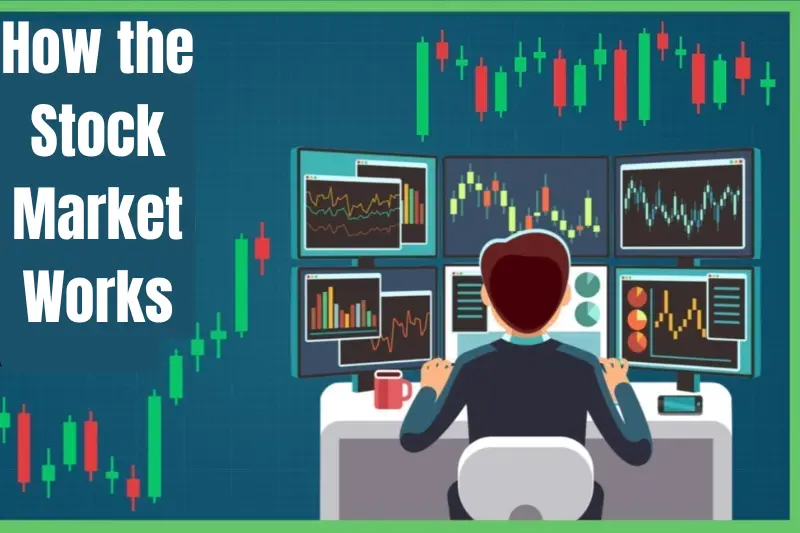
The stock market is where investors buy and sell shares of publicly traded companies, and it plays a central role in connecting the economy to individual wealth and business growth. By understanding the economy and the stock market, investors can see how economic conditions shape stock prices, market trends, and overall market performance.
Stock prices fluctuate based on supply and demand, investor sentiment, and broader economic conditions. For instance, when economic indicators signal growth, investors often buy stocks, driving prices up. Conversely, signs of economic slowdown or uncertainty can lead to selling, causing stock market fluctuations.
The stock market also serves as a barometer for economic confidence. A rising market generally reflects optimism about economic growth, while declining stock indices can signal caution or even fear among investors. Major indices like the S&P 500, Dow Jones Industrial Average, and NASDAQ provide snapshots of market performance, helping investors gauge trends.
Why Investors Watch the Stock Market Closely
Wealth Creation – Stocks allow investors to grow capital in line with economic growth.
Economic Signals – Market movements often predict changes in the economy before official data is released.
Investment Strategy – Understanding trends and fluctuations helps investors make informed decisions.
Risk Assessment – Tracking the stock market alongside economic trends helps identify potential risks and opportunities.
By linking the health of the economy to market behavior, investors can better navigate the dynamic relationship between economic shifts and stock performance.
May be you like it :
Fintech Customer Service – Strategies to Improve Support And Enhance User Experience
Investing Order of Operations – Step-by-Step Guide for Smart Investing
Fintech Regulations – A Complete Guide to Compliance and Financial Technology Laws
Fintech Is Femme – Women Redefining Financial Innovation
Fintech Major – Top Universities Career Paths And Degree Guide
The Link Between Economy and the Stock Market
The connection between the economy and the stock market is direct and undeniable. Economic health drives corporate profits, consumer confidence, and investment activity, all of which influence stock prices and market trends. Investors closely monitor economic indicators such as GDP growth, inflation, and employment because these metrics often predict stock market fluctuations before they occur.
When the economy is booming, companies tend to report higher earnings, consumers spend more, and investors feel confident buying stocks. This optimism often leads to market performance gains, commonly referred to as a bull market. Conversely, during economic slowdowns or recessions, businesses may struggle, consumer spending drops, and investors may sell shares, causing a bear market. Understanding these cycles helps investors anticipate changes rather than react impulsively.
Economic Booms and Bull Markets
- Strong economic growth fuels corporate profits and higher dividends.
- Increased investor confidence pushes stock prices up.
- Examples: periods of tech expansion or post-recession recoveries.
Recessions and Bear Markets
- Slowdowns reduce earnings and consumer spending.
- Investor caution can trigger significant stock market fluctuations.
- Examples: 2008 financial crisis or periods of high inflation.
By analyzing economic trends alongside market activity, investors can identify opportunities, manage risks, and make strategic decisions. The stock market doesn’t just react to the economy—it often anticipates it, making the relationship between the two both dynamic and critical for anyone involved in investing.
Key Trends and Predictions
Understanding the economy and the stock market today requires analyzing current economic trends and anticipating how they may shape market performance in the near future. Global events, policy changes, and technological developments all influence stock prices and investor sentiment, making it essential for investors to stay informed.
One key trend is the rise of interest rates in response to inflation. Higher rates can slow economic growth by making borrowing more expensive, often leading to stock market fluctuations. On the other hand, lower interest rates encourage investment and spending, which can support a bullish market. Similarly, sectors like technology and renewable energy are showing resilience, reflecting shifts in consumer demand and global economic priorities.
Stock Market Forecasts
- Analysts predict moderate growth in major indices if economic expansion continues.
- Market volatility may increase due to geopolitical tensions or unexpected economic shocks.
- Investors should monitor economic indicators closely to adjust strategies in real time.
Economic Outlook
- Stable GDP growth and controlled inflation typically support strong market performance.
- Recessions or slowdowns may trigger cautious trading, highlighting the importance of risk management.
- Tracking economic trends alongside corporate earnings can provide actionable insights for investors.
By studying these trends and predictions, investors can better navigate the stock market, make informed decisions, and take advantage of opportunities while minimizing risks. The dynamic relationship between the economy and stock market remains a critical factor in achieving long-term financial success.
May be you like it :
Digital Financial Officers – Driving Innovation and Efficiency in Modern Finance
US Economy and Stock Market – How Economic Trends Affect Investments in 2025
Economy Market San Leandro – Affordable Groceries And Local Deals
Economy and the Stock Market – How Economic Trends Impact Market Performance
Economy and War – Understanding the Economic Impact of Conflicts
Tips for Investors
Investing successfully requires understanding the economy and the stock market and adapting strategies to changing conditions. By paying attention to economic trends and market performance, investors can make informed decisions and reduce the impact of stock market fluctuations.
Diversify Your Portfolio
Spread investments across different sectors and asset classes. Diversification can help protect your portfolio from volatility caused by economic slowdowns or sector-specific challenges.
Monitor Economic Indicators
Keep an eye on GDP growth, inflation, unemployment rates, and interest rates. These indicators signal potential shifts in market performance and guide strategic decisions.
Focus on Long-Term Goals
Short-term market swings are inevitable. Instead of reacting to every fluctuation, maintain a long-term perspective aligned with your financial goals.
Stay Informed About Market Trends
Follow industry news, company earnings reports, and expert analysis to anticipate potential opportunities and risks. Understanding economic trends helps investors navigate uncertain markets confidently.
Manage Risk Effectively
Set stop-loss limits, maintain an emergency fund, and invest only what you can afford to lose. Effective risk management ensures that stock market fluctuations don’t derail your financial plan.
By combining these strategies with a clear understanding of how the economy affects the stock market, investors can make smarter choices, protect their assets, and capitalize on emerging opportunities.
Conclusion
The relationship between the economy and the stock market is complex but essential for anyone looking to invest wisely. Economic conditions, from GDP growth to inflation and employment rates, directly influence market performance and drive stock market fluctuations. By understanding these dynamics, investors can anticipate changes, make informed decisions, and navigate the market with confidence.
Monitoring economic trends, staying informed about current market developments, and implementing effective investment strategies are crucial steps for long-term financial success. Whether you are a seasoned investor or just starting out, recognizing how the economy shapes stock prices can help you identify opportunities, manage risks, and achieve your financial goals.
In the ever-changing world of finance, knowledge is your most valuable asset. Keeping an eye on the economy and its impact on the stock market allows you to act proactively rather than reactively, turning uncertainty into opportunity.
May be you like it :
Economic Marketing Environment – Key Factors Impacts and Strategies
Investing Questions – Top Beginner Questions Answered for Smart Investing
Investing Activities Examples – A Complete Guide for Investors and Businesses
Investing Quotes – 50 Inspiring Quotes to Motivate Your Financial Journey
Investing Rule – Top Strategies for Smart and Profitable Investments
