

Introduction
Wars have always left a profound mark on societies, but their impact on economies is often even more significant. From disrupted trade routes to skyrocketing defense expenditures, the connection between conflict and financial stability cannot be ignored. The study of economy and war reveals how nations struggle to maintain growth while managing the enormous costs of warfare. Beyond the immediate destruction, conflicts often trigger an economic impact of war that can ripple across borders, influencing global markets and causing a war and financial crisis in affected regions. Understanding this relationship is crucial for policymakers, investors, and citizens alike, as history shows that the consequences of war extend far beyond the battlefield.
Historical Perspective: How Wars Have Shaped Economies
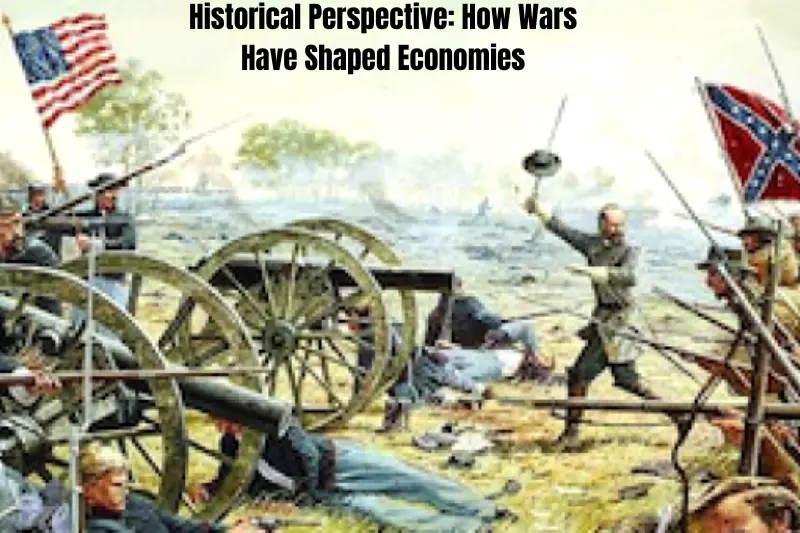
Throughout history, wars have significantly reshaped the global economic landscape. Major conflicts like World War I and World War II disrupted trade networks, caused massive government spending, and led to shifts in industrial priorities. During these periods, nations faced inflation, shortages, and labor crises, highlighting the deep economic consequences of war. For example, World War II spurred industrial growth in some countries while leaving others in severe financial distress. Similarly, regional conflicts, from the Korean War to the Gulf Wars, demonstrate that even localized wars can have war economy history implications, influencing global supply chains and investment patterns. Understanding these historical examples emphasizes that the relationship between war and economy is long-standing and complex, often shaping national policies for decades.
May be you like it :
Finance Jobs in Qatar 2025 – Top Roles Salaries And Career Opportunities
Finance Yahoo NVDA – Latest Stock Performance Analysis And NVIDIA Investment Insights
Finance Quantitative – Complete Guide to Quantitative Finance Modeling And Analysis
Finance Wallpaper – Motivational Money And Business Wallpapers for Daily Inspiration
Finance Trainee Jobs – Guide to Entry Level Finance Careers And Programs
Short-Term Economic Impacts of War
The immediate effects of war on an economy are often severe and far-reaching. Conflicts disrupt trade routes, limit access to essential resources, and cause sharp increases in prices, leading to inflation. Businesses may close or scale back operations, resulting in rising unemployment and economic instability. Governments often respond by reallocating budgets to defense spending, which can strain public services and social programs. The economic disruption caused by war is not limited to the battlefield; it affects everyday citizens, businesses, and financial markets. Historical examples, such as the sudden economic downturns during the early stages of World War I or more recent regional conflicts, highlight how inflation during war and a war and trade decline can trigger financial uncertainty within months.
Long-Term Economic Effects
While the short-term consequences of war are often immediately visible, the long-term economic effects can be even more profound. Post-conflict reconstruction requires massive investment in infrastructure, housing, and industry, often reshaping a nation’s economic priorities. Wars can also accelerate technological innovation, leading to new industries and job opportunities, while simultaneously causing a shift in global economic power. Countries that recover quickly may emerge stronger, whereas others may face decades of stagnation. Studying the post-war economy shows how nations rebuild, adapt, and sometimes redefine their financial systems. Understanding economic recovery after war and the impact on war and GDP is essential for policymakers, as it highlights both challenges and opportunities for sustained growth in a post-conflict world.
May be you like it :
Fintech Customer Service – Strategies to Improve Support And Enhance User Experience
Investing Order of Operations – Step-by-Step Guide for Smart Investing
Fintech Regulations – A Complete Guide to Compliance and Financial Technology Laws
Fintech Is Femme – Women Redefining Financial Innovation
Fintech Major – Top Universities Career Paths And Degree Guide
Case Studies
Examining real-world examples helps illustrate the complex relationship between conflict and economic outcomes. During World War II, the United States experienced a dramatic shift: wartime production boosted industrial output, reduced unemployment, and ultimately strengthened the economy. In contrast, many European nations faced massive destruction, debt, and long-term financial strain, highlighting the uneven economic impact of war across regions. More recently, the Ukraine-Russia conflict has had ripple effects on global markets, disrupting energy supplies, increasing commodity prices, and creating uncertainty in international trade. These case studies demonstrate that conflicts, whether historic or contemporary, have significant and often unpredictable effects on national and global economies. Understanding these real-world impacts of conflicts provides valuable lessons for policymakers, investors, and economists navigating the challenges of war.
May be you like it :
Digital Financial Officers – Driving Innovation and Efficiency in Modern Finance
US Economy and Stock Market – How Economic Trends Affect Investments in 2025
Economy Market San Leandro – Affordable Groceries And Local Deals
Economy and the Stock Market – How Economic Trends Impact Market Performance
Economy and War – Understanding the Economic Impact of Conflicts
How Governments and Economies Respond
Governments and economies adopt various strategies to manage the financial pressures of war. Nations often increase defense budgets, redirect public spending, and implement war financing measures such as issuing bonds or raising taxes. International aid and loans can help stabilize economies, while economic sanctions are used as strategic tools to influence adversaries without direct military engagement. Policymakers must balance the immediate demands of conflict with long-term economic stability, ensuring that essential services continue despite budgetary pressures. Studying economic policy during war reveals how nations attempt to mitigate financial crises, maintain growth, and protect citizens’ livelihoods. Effective responses not only address short-term disruptions but also lay the foundation for post-conflict recovery, highlighting the critical link between war and economy.
Conclusion
The relationship between economy and war is complex, affecting nations both immediately and for decades. Wars disrupt trade, create inflation, and strain public finances, while also prompting reconstruction, innovation, and shifts in global economic power. Historical and modern examples show that the economic impact of war extends far beyond the battlefield, influencing policies, markets, and daily life. By examining war and financial crisis, governments and citizens can better prepare for the challenges that conflicts bring, ensuring more resilient economies. Understanding this interplay is crucial for policymakers, economists, and global observers seeking to navigate the economic consequences of current and future conflicts.
May be you like it :
Economic Marketing Environment – Key Factors Impacts and Strategies
Investing Questions – Top Beginner Questions Answered for Smart Investing
Investing Activities Examples – A Complete Guide for Investors and Businesses
Investing Quotes – 50 Inspiring Quotes to Motivate Your Financial Journey
Investing Rule – Top Strategies for Smart and Profitable Investments
