

Introduction
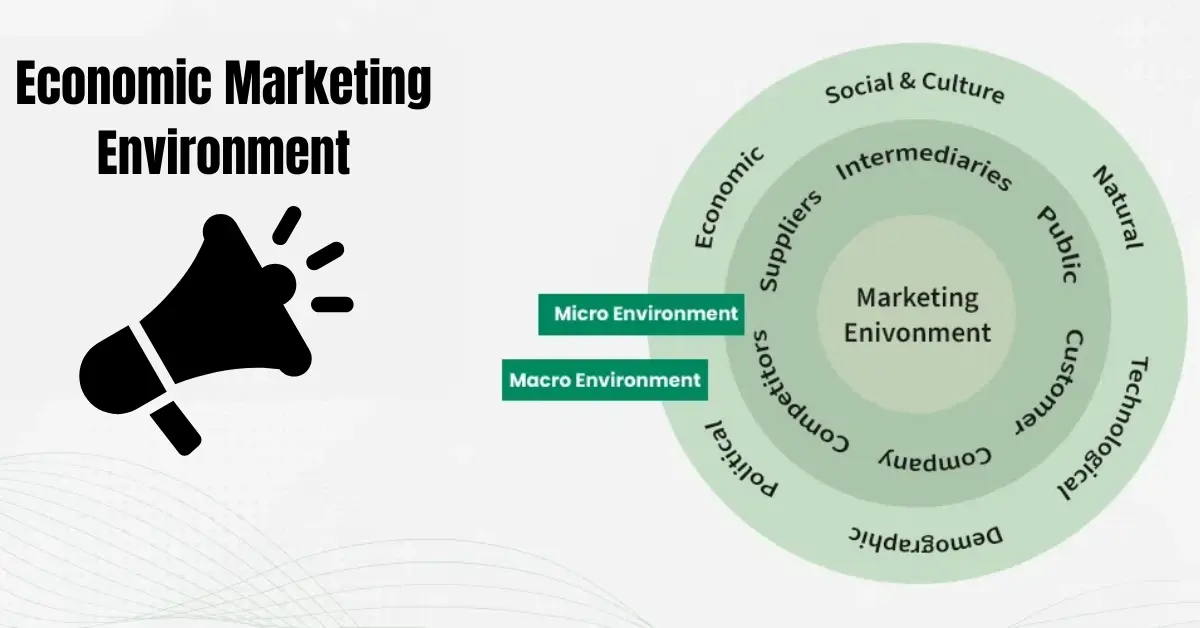
In today’s fast-paced business world, understanding the economic marketing environment is crucial for companies aiming to stay competitive and relevant. The economic environment encompasses all external economic factors that influence a business’s marketing decisions, including consumer purchasing power, inflation rates, employment trends, and overall economic growth. By analyzing these factors, businesses can make informed decisions about pricing, product development, promotion, and distribution strategies.
A strong grasp of the economic marketing environment helps companies anticipate market changes, adapt their strategies proactively, and ultimately achieve sustainable growth. In this article, we will explore the key economic factors affecting marketing, how they impact business strategies, and practical tips for navigating a dynamic economic landscape.
What is the Economic Marketing Environment?
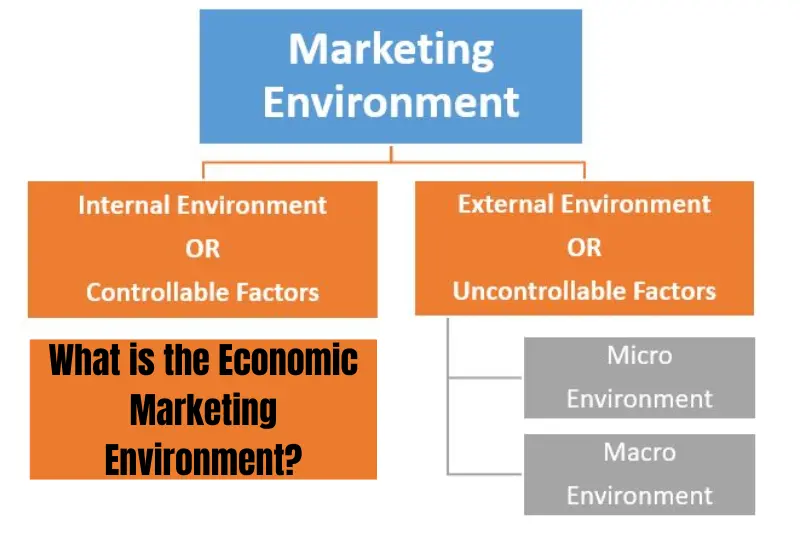
The economic marketing environment refers to the external economic conditions and trends that directly or indirectly affect a company’s marketing strategies. It is a crucial component of the broader marketing environment, which also includes social, technological, political, and competitive factors. Economic elements shape how businesses set prices, launch new products, target customers, and plan promotional campaigns.
Key components of the economic marketing environment include factors such as:
- Consumer Income and Spending Patterns: Businesses must understand how much consumers are willing and able to spend. Economic growth or recession significantly impacts purchasing behavior.
- Inflation and Pricing Trends: Rising inflation can reduce consumer purchasing power, forcing marketers to adjust pricing strategies and promotional offers.
- Employment Rates: High employment usually leads to higher consumer confidence and spending, whereas unemployment can create a more cautious market.
- Interest Rates and Credit Availability: These influence both consumer purchases and business investments, affecting demand for products and services.
Understanding the economic marketing environment enables companies to align their marketing strategies with prevailing economic conditions, reducing risks and capitalizing on opportunities. It serves as a foundation for effective marketing strategy planning and helps businesses remain resilient in the face of economic fluctuations.
May be you like it :
Finance Jobs in Qatar 2025 – Top Roles Salaries And Career Opportunities
Finance Yahoo NVDA – Latest Stock Performance Analysis And NVIDIA Investment Insights
Finance Quantitative – Complete Guide to Quantitative Finance Modeling And Analysis
Finance Wallpaper – Motivational Money And Business Wallpapers for Daily Inspiration
Finance Trainee Jobs – Guide to Entry Level Finance Careers And Programs
Key Economic Factors Affecting Marketing
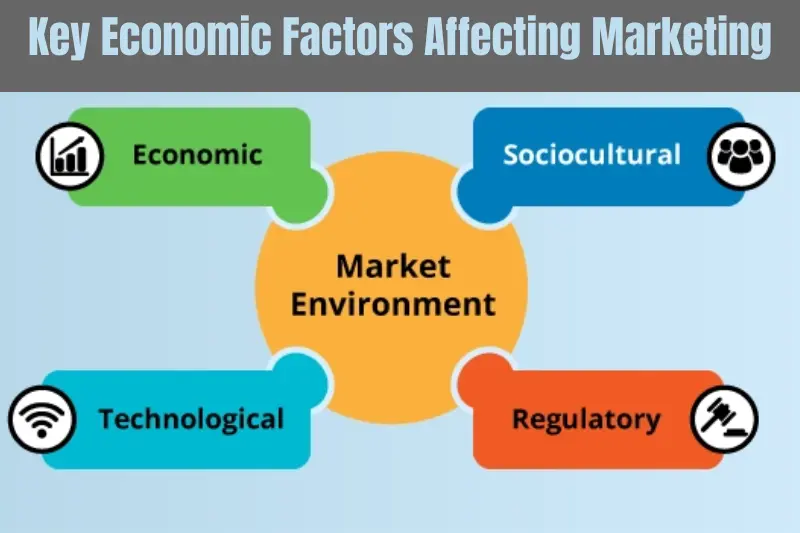
Businesses operate in an environment heavily influenced by economic conditions. Understanding these factors is essential for developing effective marketing strategies. Below are the primary economic elements that impact marketing decisions:
Economic Growth and Consumer Spending
Economic growth directly affects consumers’ purchasing power. During periods of growth, consumers are more willing to spend, enabling businesses to launch new products, increase prices, and expand their market reach. Conversely, during economic slowdowns or recessions, spending decreases, and marketers must focus on affordability, value-for-money products, and targeted promotions to maintain sales.
Inflation and Price Sensitivity
Inflation increases the cost of goods and services, which can reduce consumers’ disposable income. Companies must carefully adjust pricing strategies, consider cost-cutting measures, or introduce budget-friendly alternatives to maintain customer loyalty. Price sensitivity becomes a key factor in product positioning and promotional campaigns during periods of high inflation.
Employment Rates and Consumer Confidence
Employment levels strongly influence consumer behavior. High employment typically increases consumer confidence, leading to higher spending and demand for non-essential goods. On the other hand, high unemployment can cause consumers to prioritize necessities and cut back on discretionary purchases, forcing marketers to adjust their messaging and offerings accordingly.
Interest Rates and Investment Trends
Interest rates affect both consumer and business spending. High-interest rates make loans more expensive, discouraging consumers from making big-ticket purchases and businesses from investing in expansion. Low-interest rates encourage spending and investment, creating opportunities for companies to introduce new products or services.
Government Policies and Economic Regulations
Fiscal policies, taxation, and subsidies can impact business costs and consumer purchasing behavior. For example, tax cuts may increase disposable income, boosting sales, while higher taxes or strict regulations can constrain marketing budgets and require strategic adjustments.
Global Economic Conditions
For businesses operating internationally, global economic trends, such as trade tariffs, currency fluctuations, and global recessions, can significantly affect marketing strategies. Companies must monitor these factors to adapt pricing, distribution, and promotional strategies for different markets.
Understanding these economic factors allows businesses to develop flexible marketing strategies, anticipate consumer behavior, and stay competitive even in challenging economic conditions.
May be you like it :
Fintech Customer Service – Strategies to Improve Support And Enhance User Experience
Investing Order of Operations – Step-by-Step Guide for Smart Investing
Fintech Regulations – A Complete Guide to Compliance and Financial Technology Laws
Fintech Is Femme – Women Redefining Financial Innovation
Fintech Major – Top Universities Career Paths And Degree Guide
How Economic Changes Impact Marketing Strategies
Economic conditions play a crucial role in shaping how businesses design and implement their marketing strategies. Companies that understand the influence of the economic marketing environment can adapt proactively to changing conditions, ensuring sustained growth and customer engagement.
Adapting Product Pricing
Economic fluctuations often require businesses to rethink pricing strategies. During periods of inflation or reduced consumer spending, marketers may introduce budget-friendly products, offer discounts, or implement flexible payment options. Conversely, in times of economic growth, companies can focus on premium products or value-added services to capitalize on increased consumer purchasing power.
Targeting New Customer Segments
Economic changes can shift consumer behavior and demand. For example, during a recession, consumers may prioritize essential products over luxury items. Marketers can adjust their target audience, focusing on segments that are more likely to purchase their offerings under current economic conditions.
Adjusting Promotional Strategies
Marketing communication must reflect the economic context. During tough economic times, emphasizing value, affordability, and practical benefits resonates more with consumers. In contrast, when the economy is booming, marketing campaigns can highlight innovation, luxury, and lifestyle enhancements.
Revising Distribution Channels
Economic shifts may affect supply chains and distribution costs. Companies may choose more cost-effective channels, increase digital presence, or optimize logistics to maintain efficiency and affordability for customers.
Strategic Investment in Marketing
Businesses may increase or decrease marketing budgets based on economic conditions. During growth periods, higher investments in advertising, product launches, and market expansion can yield substantial returns. In a downturn, focusing on cost-effective marketing tactics, such as social media campaigns and email marketing, ensures continued visibility without overspending.
By understanding how economic changes influence consumer behavior, pricing, and demand, businesses can design marketing strategies that are not only responsive but also resilient, ensuring long-term success even in fluctuating economic conditions.
May be you like it :
Digital Financial Officers – Driving Innovation and Efficiency in Modern Finance
US Economy and Stock Market – How Economic Trends Affect Investments in 2025
Economy Market San Leandro – Affordable Groceries And Local Deals
Economy and the Stock Market – How Economic Trends Impact Market Performance
Economy and War – Understanding the Economic Impact of Conflicts
Analyzing the Business Environment for Marketing Decisions
A thorough analysis of the business environment is essential for making informed marketing decisions, particularly in a dynamic economic landscape. Understanding the economic marketing environment allows businesses to anticipate opportunities and threats, align strategies with market realities, and gain a competitive edge. Two widely used tools for this analysis are SWOT and PESTEL.
SWOT Analysis with an Economic Perspective
SWOT analysis helps businesses evaluate internal strengths and weaknesses, along with external opportunities and threats. When considering economic factors:
- Strengths: Financial stability, efficient cost structures, and strong brand reputation can help a company withstand economic downturns.
- Weaknesses: High production costs or dependency on discretionary consumer spending can make a business vulnerable during economic slowdowns.
- Opportunities: Economic growth, increasing consumer income, or favorable government policies can create new market opportunities.
- Threats: Inflation, rising interest rates, unemployment, or currency fluctuations can negatively impact sales and profitability.
By integrating economic insights into SWOT analysis, marketers can develop strategies that are realistic, proactive, and resilient.
PESTEL Analysis (Focus on Economic Factors)
PESTEL analysis examines the Political, Economic, Social, Technological, Environmental, and Legal factors affecting a business. The economic component specifically includes:
- Economic Growth Rates: Influence consumer purchasing power and demand for products.
- Inflation and Deflation Trends: Affect pricing, production costs, and profit margins.
- Employment Levels: Impact consumer confidence and spending habits.
- Interest Rates and Credit Availability: Shape both consumer purchases and business investments.
- Exchange Rates: Crucial for businesses involved in international trade, as currency fluctuations affect pricing and profitability.
By incorporating the economic dimension into PESTEL analysis, businesses can make data-driven marketing decisions that align with current and projected economic conditions.
Tips for Navigating a Dynamic Economic Marketing Environment
Successfully navigating the economic marketing environment requires businesses to stay proactive, flexible, and informed. The following tips can help companies adapt to economic changes while maintaining effective marketing strategies:
Conduct Continuous Market Research
Regularly monitoring economic indicators, consumer behavior, and industry trends helps businesses anticipate changes and make informed marketing decisions. Tools such as surveys, economic reports, and competitor analysis provide valuable insights for strategy adjustments.
Maintain Flexible Marketing Plans
Rigid marketing strategies may fail during economic fluctuations. Companies should design flexible plans that can be adjusted based on shifts in consumer demand, inflation, or interest rates. This includes pricing strategies, promotional campaigns, and product offerings.
Monitor Macroeconomic Indicators
Keeping an eye on key economic factors such as GDP growth, inflation rates, unemployment levels, and interest rates allows marketers to predict market trends and adjust strategies proactively.
Focus on Value and Customer Needs
During economic downturns, consumers prioritize value and practicality. Marketing campaigns should emphasize cost-effectiveness, benefits, and problem-solving features of products or services.
Diversify Products and Revenue Streams
Businesses can reduce risks by offering a range of products catering to different price points or exploring new markets. Diversification helps mitigate the impact of economic downturns on overall revenue.
Leverage Digital Marketing Channels
Digital marketing allows cost-effective targeting and engagement, especially when budgets are tight. Online platforms can help businesses reach specific consumer segments efficiently and track ROI accurately.
By following these tips, companies can remain resilient in a fluctuating economic environment, make data-driven marketing decisions, and maintain strong connections with their target audience.
Conclusion
Understanding the economic marketing environment is essential for businesses seeking long-term success in today’s ever-changing marketplace. Economic factors such as consumer spending, inflation, employment rates, interest rates, and global trends directly influence marketing decisions, pricing strategies, product development, and promotional campaigns.
By analyzing the economic landscape through tools like SWOT and PESTEL, and by implementing flexible, data-driven strategies, businesses can navigate challenges, seize opportunities, and maintain a competitive edge. Continuous market research, monitoring macroeconomic indicators, and focusing on customer value are key steps for adapting to economic fluctuations effectively.
In a dynamic economy, companies that align their marketing strategies with economic realities not only survive but thrive, building resilience, customer trust, and sustainable growth. Understanding and responding to the economic marketing environment is no longer optional—it’s a strategic necessity.
May be you like it :
Economic Marketing Environment – Key Factors Impacts and Strategies
Investing Questions – Top Beginner Questions Answered for Smart Investing
Investing Activities Examples – A Complete Guide for Investors and Businesses
Investing Quotes – 50 Inspiring Quotes to Motivate Your Financial Journey
Investing Rule – Top Strategies for Smart and Profitable Investments
