

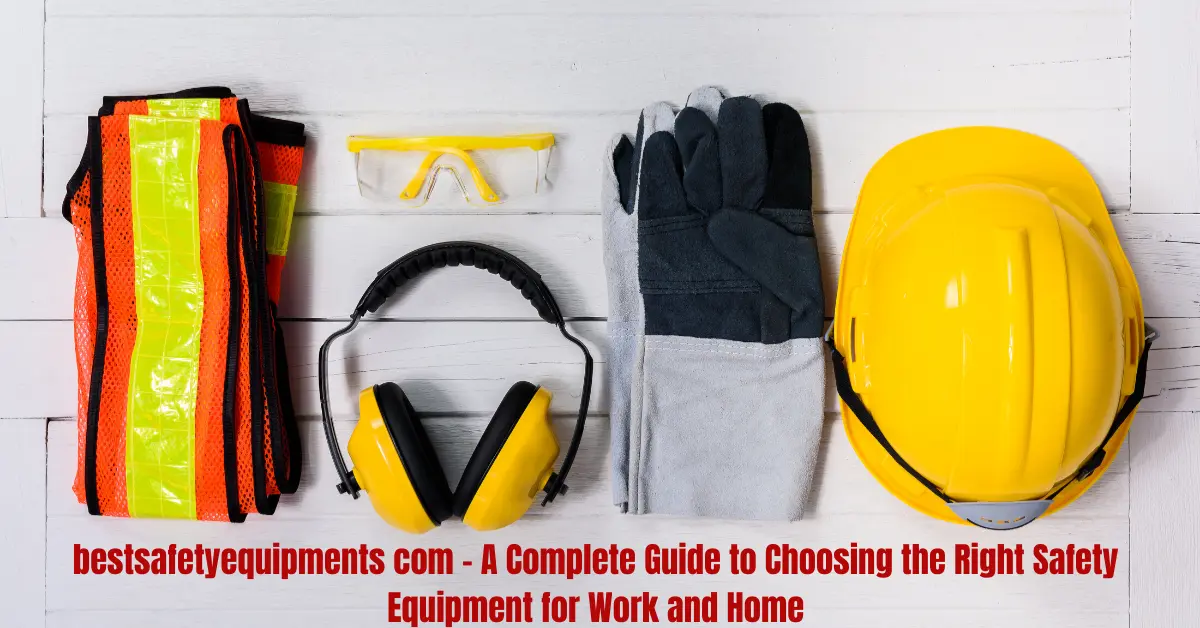
Safety equipment plays a crucial role in protecting people from injuries, accidents, and long-term health risks. Whether someone works in construction, manufacturing, healthcare, or even manages a small workshop at home, the importance of proper protective gear cannot be ignored. Many people search online for reliable sources to learn about protective gear, and this is where bestsafetyequipments com becomes a valuable reference point.
In this article, we will explore what bestsafetyequipments com represents, why safety equipment is important, the different types of safety gear available, and how individuals and businesses can choose the right equipment for their needs. By the end, you will have a clearer understanding of workplace safety and how proper equipment can prevent accidents and save lives.
Understanding bestsafetyequipments com
The term bestsafetyequipments com is commonly associated with a resource that focuses on workplace safety gear, product comparisons, and guidance related to protective equipment. People often look for reliable information before purchasing safety products, and platforms like this help users understand which tools and protective items are most suitable for different industries.
Safety equipment can vary widely depending on the environment. For example, a construction worker needs a completely different set of protective tools than a laboratory technician. Websites and resources dedicated to safety equipment help simplify this process by explaining the purpose, features, and benefits of various safety products.
When individuals search for bestsafetyequipments com, they are usually looking for:
- Information about personal protective equipment
- Comparisons between different safety tools
- Reviews and recommendations
- Workplace safety tips
- Guides on choosing reliable equipment
Such resources help both professionals and beginners make informed decisions about protecting themselves and others.
Why Safety Equipment Is Important
Before discussing the types of equipment, it is important to understand why safety gear is essential in the first place. Every year, millions of workplace accidents occur across the world. Many of these incidents could be prevented with proper safety measures and protective equipment.
Safety equipment helps in several ways:
Preventing Injuries
The primary purpose of safety equipment is to prevent injuries. Helmets protect the head from falling objects, gloves shield the hands from cuts and chemicals, and safety shoes prevent foot injuries.
Reducing Long-Term Health Risks
Certain jobs expose workers to dust, chemicals, loud noise, and harmful fumes. Without proper protective gear, workers may develop chronic health problems. Respirators, ear protection, and protective clothing reduce these risks.
Increasing Workplace Productivity
When workers feel safe, they perform their tasks more confidently and efficiently. A safe work environment improves productivity and reduces downtime caused by accidents.
Meeting Legal and Regulatory Requirements
Many industries have strict safety regulations. Employers must provide appropriate safety gear to workers to comply with occupational safety laws. Failure to do so can lead to legal penalties and workplace shutdowns.
Types of Safety Equipment
Resources like bestsafetyequipments com often categorize safety equipment into different groups to help users easily understand their purpose. Below are some of the most common types.
Head Protection
Head injuries are among the most serious workplace hazards, especially in construction, mining, and industrial settings.
Hard hats are the most common type of head protection. They are designed to absorb the impact of falling objects and protect against electrical hazards.
Features of good head protection include:
- Strong outer shell
- Shock-absorbing inner suspension
- Comfortable fit
- Ventilation for airflow
Workers should always ensure that their helmets meet safety standards and are properly adjusted.
Eye and Face Protection
Eye injuries can happen instantly and may lead to permanent damage. Workers in industries such as welding, carpentry, and chemical handling must protect their eyes from debris, sparks, and harmful substances.
Common eye protection equipment includes:
- Safety glasses
- Goggles
- Face shields
- Welding helmets
High-quality eye protection should provide clear vision, impact resistance, and protection from dust or chemicals.
Hearing Protection
Long-term exposure to loud noise can cause irreversible hearing loss. Industries like construction, aviation, and manufacturing often involve noise levels that exceed safe limits.
Hearing protection equipment includes:
- Earplugs
- Earmuffs
- Noise-canceling protective gear
Workers should choose hearing protection based on the noise level of their work environment.
Respiratory Protection
In environments where dust, smoke, fumes, or chemicals are present, respiratory protection becomes essential.
Examples include:
- Dust masks
- Respirators
- Full-face breathing apparatus
Respiratory protection prevents harmful particles from entering the lungs and reduces the risk of respiratory diseases.
Hand Protection
Hands are among the most frequently injured body parts in workplaces. Proper gloves can prevent cuts, burns, chemical exposure, and abrasions.
Different types of safety gloves include:
- Cut-resistant gloves
- Chemical-resistant gloves
- Heat-resistant gloves
- Electrical safety gloves
Choosing the right glove depends on the specific hazards present in the workplace.
Foot Protection
Foot injuries can occur from heavy objects, sharp materials, or slippery surfaces. Safety shoes and boots are designed to protect workers from these risks.
Key features of safety footwear include:
- Steel or composite toe caps
- Slip-resistant soles
- Puncture-resistant material
- Electrical hazard protection
Comfort is also important because workers often wear safety shoes for long hours.
Body Protection
In some workplaces, workers need full-body protection from chemicals, heat, flames, or biological hazards.
Examples of body protection include:
- Protective suits
- Lab coats
- Flame-resistant clothing
- High-visibility vests
High-visibility clothing is especially important for workers who operate near traffic or heavy machinery.
How to Choose the Right Safety Equipment
With so many options available, choosing the right equipment can feel overwhelming. Platforms like bestsafetyequipments com often provide guidance to simplify the decision-making process.
Here are some important factors to consider.
Identify Workplace Hazards
The first step in choosing safety equipment is identifying the hazards present in the environment. For example:
- Falling objects require head protection.
- Chemical exposure requires gloves and protective suits.
- Loud environments require hearing protection.
A proper risk assessment helps determine which equipment is necessary.
Check Safety Certifications
Safety equipment should meet recognized safety standards. Certified equipment has been tested for durability, reliability, and protection.
Always look for products that comply with industry safety regulations.
Prioritize Comfort and Fit
Safety gear must fit properly. Equipment that is uncomfortable or poorly fitted may discourage workers from wearing it consistently.
Adjustable straps, breathable materials, and ergonomic designs improve comfort.
Durability and Quality
High-quality equipment lasts longer and provides better protection. Investing in durable safety gear reduces the need for frequent replacements.
Ease of Maintenance
Some safety equipment requires regular cleaning and maintenance. Choosing gear that is easy to maintain ensures long-term usability.
The Role of Technology in Modern Safety Equipment
Advancements in technology have significantly improved the effectiveness of safety gear. Modern equipment now includes features that were not available in the past.
Some examples include:
Smart Helmets
Smart helmets may include built-in communication systems, sensors, and cameras that help workers stay connected and monitor their surroundings.
Wearable Safety Sensors
Wearable devices can detect fatigue, exposure to toxic gases, or dangerous environmental conditions.
Improved Materials
New materials such as lightweight composites and advanced polymers provide stronger protection while reducing weight.
Technology continues to shape the future of workplace safety, making equipment more efficient and user-friendly.
Safety Equipment for Home Use
While safety gear is often associated with industrial workplaces, it is equally important for home projects and hobbies.
People who engage in activities such as woodworking, gardening, painting, or DIY repairs should also use protective equipment.
Examples of home safety equipment include:
- Safety goggles for cutting or drilling
- Work gloves for handling tools
- Dust masks for sanding or painting
- Ear protection when using loud machinery
Home accidents are common, but many of them can be prevented by using basic safety gear.
Common Mistakes When Using Safety Equipment
Even when safety equipment is available, people sometimes misuse it or neglect it. This reduces its effectiveness.
Some common mistakes include:
Not Wearing Equipment Consistently
Some workers remove protective gear because it feels uncomfortable or inconvenient. This exposes them to unnecessary risks.
Using Damaged Equipment
Cracked helmets, worn gloves, or damaged respirators cannot provide proper protection.
Choosing the Wrong Equipment
Using the wrong type of safety gear can be just as dangerous as using none at all.
Ignoring Training
Workers should receive proper training on how to use and maintain safety equipment.
The Future of Workplace Safety
The future of safety equipment looks promising as industries place greater emphasis on worker protection.
Several trends are shaping the industry:
- Increased automation and robotics
- Integration of artificial intelligence in safety monitoring
- Smart personal protective equipment
- Greater awareness of workplace safety culture
Resources like bestsafetyequipments com help spread awareness and educate people about these advancements.
As technology continues to evolve, safety equipment will become more efficient, comfortable, and accessible.
Building a Culture of Safety
Providing safety equipment is only one part of workplace protection. Organizations must also build a culture where safety is taken seriously.
A strong safety culture includes:
- Regular safety training
- Open communication about hazards
- Encouraging workers to report unsafe conditions
- Continuous improvement of safety policies
When safety becomes a shared responsibility, workplaces become much safer.
Conclusion
Safety equipment is essential for protecting individuals from workplace hazards, environmental risks, and accidents. From helmets and gloves to respirators and protective clothing, each piece of equipment plays a vital role in maintaining health and safety.
Resources like bestsafetyequipments com help individuals and businesses understand the wide range of protective gear available and how to choose the right equipment for specific needs. By providing guidance, comparisons, and safety information, such platforms support safer workplaces and better decision-making.
Whether someone works in construction, healthcare, manufacturing, or simply enjoys DIY projects at home, investing in proper safety equipment is a smart and responsible choice.
In the end, safety should never be treated as an afterthought. With the right equipment, proper training, and a strong commitment to safety practices, accidents can be prevented and lives can be protected.
