

Introduction
The London School of Economics has built a reputation that reaches far beyond the UK. When people talk about the best places in the world to study finance LSE almost always enters the conversation. The university is known for its academic depth, strong research culture, and its close ties with the global financial industry. Whether it is investment banking, consulting, or new areas like fintech, LSE has influenced many of the leaders shaping today’s financial world. This is why students from every continent look to LSE when they want a finance education that opens real doors and creates long lasting opportunities.
What Makes Finance LSE So Prestigious
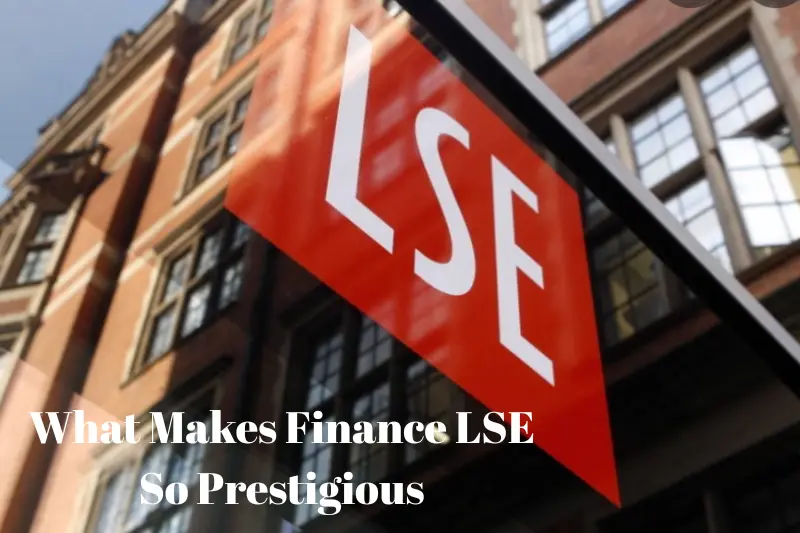
One of the biggest reasons finance LSE stands out is the level of trust the global financial world places in the university. Employers in London, New York, Singapore, and other major financial hubs know that LSE students are trained to think analytically and solve complex real world problems. The school has been a central part of economic research and financial policy for decades, which gives its programs a level of authority that few universities can match.
Another key strength is the alumni network. Graduates from LSE hold major positions across investment banks, consulting firms, hedge funds, government departments, and even international organisations. This creates a powerful cycle where current students gain access to mentorship, internships, and networking opportunities that dramatically improve their career paths.
LSE also works closely with industries that are shaping the future of finance. From fintech startups to global banks, students are regularly exposed to guest lectures, workshops, and case studies delivered by people who are currently shaping the financial landscape. This blend of academic depth and real world insight is what makes finance at LSE truly stand out.
Finance Programs Offered at LSE

When students explore finance LSE, one of the first things they notice is the variety of programs available. LSE has designed its finance courses to meet the needs of different types of learners, whether someone is starting their academic journey or looking to deepen their expertise at the postgraduate level.
One of the most well known options is the LSE MSc Finance. This program is highly analytical and focuses on real world financial decision making. Students work with advanced financial models, study global markets, and learn how financial institutions operate on a practical level. It is ideal for students who want to enter fields like investment banking, asset management, or corporate finance.
Another popular program is the LSE MSc Finance and Economics. This course blends financial theory with economic analysis, giving students a deeper understanding of how markets behave and how financial policies are shaped. It suits those who enjoy both data driven work and economic thinking, and it often appeals to students who want to move into research, policy, or specialised financial roles.
For those just beginning their academic path, the LSE undergraduate finance degree offers a strong foundation. Students learn essential financial principles, gain experience with quantitative tools, and build the skills needed to understand how companies, markets, and economies function.
LSE also offers executive programs for professionals who want to upgrade their skills without committing to a full degree. These short courses are designed to be practical and immediately applicable to industry roles.
All of these programs share one thing in common. They are built to give students a balanced mix of theory, practical experience, and the analytical skills the financial world demands.
Admissions and Acceptance Rate
Getting into finance LSE is known to be competitive, and that is part of what makes the program so respected. LSE receives thousands of applications every year from students around the world who want to build a career in finance, economics, or related fields. Because of this, the acceptance rate for finance programs tends to be on the lower side, especially for postgraduate courses like the MSc Finance and the MSc Finance and Economics.
LSE looks for applicants who are strong academically, but grades alone are not enough. The admissions team wants to see clear evidence of analytical ability, commitment to the field of finance, and the potential to contribute to the global financial community. A strong personal statement, well written academic references, and relevant experience can make a big difference. Experience does not always have to be in a full time role. Internships, research projects, or even independent work related to finance can help show genuine interest.
For postgraduate programs, LSE pays close attention to quantitative skills. Applicants with backgrounds in economics, mathematics, engineering, or finance usually have an advantage, but students from other fields can also succeed if they show strong motivation and solid numerical preparation.
Overall, gaining admission to a finance program at LSE requires preparation, clarity of goals, and a well presented application. While the process is competitive, it is designed to select students who are ready to make the most of the opportunities LSE provides.
Course Structure and What Students Actually Learn
One of the reasons finance LSE attracts so many students is the way the courses are structured. Instead of focusing only on theory, LSE blends academic depth with practical learning so students understand how financial decisions are made in real situations.
Most finance programs at LSE begin with core subjects that build a strong foundation. These usually include corporate finance, financial markets, quantitative methods, asset pricing, and valuation. These core areas help students understand how companies raise capital, how investors make decisions, and how the global financial system functions.
As students progress, they get the chance to explore elective modules. These are designed to help students shape their studies around their interests. Many choose areas like risk management, financial modelling, private equity, behavioural finance, or international finance. Others explore newer fields such as fintech and sustainable finance, which are becoming increasingly important in today’s financial world.
Real world learning is also a major part of the finance experience at LSE. Students often work on case studies, simulations, market analysis tasks, and group projects that mirror the challenges faced by professionals. The university regularly invites leaders from banks, consulting firms, and technology companies to share insights, which helps students connect what they learn in class with real industry practice.
By the time students complete their program, they leave with strong analytical skills, familiarity with financial tools, and a practical understanding of how financial decisions affect businesses and markets. This balanced learning approach is one of the key reasons LSE graduates are highly valued in the financial world.
Career Opportunities After Finance LSE
One of the strongest reasons students choose finance LSE is the career impact. The university has a long history of sending graduates into some of the most respected financial institutions in the world. From investment banks in London to consulting firms in the United States and fintech companies in Asia, LSE graduates are known for their analytical skills and readiness to take on challenging roles.
Many students enter investment banking where they work on mergers, acquisitions, and financial analysis for global companies. Others choose asset management or hedge funds, where they focus on markets, trading strategies, and investment decisions. Consulting firms also recruit heavily from LSE because of the school’s emphasis on problem solving and economic thinking.
Private equity is another popular track. While it is more competitive, the training students receive in valuation, financial modelling, and strategic analysis helps them stand out. For those interested in the public sector or international organisations, LSE’s strong reputation in economics opens doors to roles in policy, central banking, and financial regulation.
Fintech has become an exciting path as well. Many graduates now join technology driven financial companies where they work on digital payments, artificial intelligence in finance, and new financial products that are shaping the future of the industry.
What makes the career outcomes so strong is not only the academic quality but also the professional support students receive. LSE’s career services host networking events, career fairs, and workshops that connect students directly with employers. With London being a global financial centre, students have access to opportunities that are hard to match anywhere else.
LSE Rankings and Global Recognition
When people talk about finance LSE, rankings often become part of the conversation, and for good reason. LSE consistently appears among the top universities in the world for finance, economics, and social sciences. Its reputation is built not just on academic excellence but on its influence across global financial markets and public policy.
LSE’s finance programs regularly rank highly in international league tables because of the school’s strong research output, the quality of its faculty, and its long standing relationships with leading financial institutions. Employers trust that LSE graduates have a deep understanding of financial issues and the ability to apply critical thinking in complex situations.
The university’s location also plays a major role in its global recognition. Being in London means students are surrounded by major banks, investment firms, consulting companies, and international organisations. This close connection to industry strengthens LSE’s position in global rankings and makes the school a preferred choice for recruiters.
Beyond numbers and tables, LSE’s influence can be seen in the real world. Many world leaders, economists, and finance professionals have studied there, contributing to the school’s strong international identity. For students, this means joining a community that is respected and recognised in every major financial centre.
Cost of Studying Finance at LSE
Studying finance LSE is a significant investment, and understanding the full cost helps students plan their academic journey more confidently. Tuition fees vary depending on the program, with postgraduate degrees such as the MSc Finance usually costing more than undergraduate courses because of their specialised nature and the resources involved in delivering them.
In addition to tuition, students should consider the cost of living in London. The city is known for its vibrant culture, professional opportunities, and diverse communities, but it also comes with higher living expenses compared to many other places. Accommodation, transport, food, and study materials can add up, so careful budgeting is important. Many students choose shared housing or university accommodation to manage costs more effectively.
LSE does offer financial support options, including scholarships, grants, and bursaries for both domestic and international students. Some scholarships are merit based, while others are designed to support students with financial need. Applying early and preparing a strong application can improve the chances of receiving financial assistance.
Despite the costs, many students see studying at LSE as a long term investment. The career opportunities, earning potential, and global recognition associated with the university often make the financial commitment worthwhile. With thoughtful planning and awareness of available support, students can manage the cost and make the most of their experience at LSE.
Student Experience at LSE
Beyond academics, the student experience at LSE is vibrant, diverse, and full of opportunities to grow both personally and professionally. Finance LSE students benefit from being part of a global community, with peers coming from all corners of the world. This diversity creates a dynamic environment where students learn from each other’s perspectives and build international networks that last long after graduation.
Campus life at LSE is rich with activities designed to complement the academic experience. There are numerous student societies and clubs specifically focused on finance, investment, and economics. These groups often host guest lectures, workshops, and networking events with top industry professionals, giving students insights into real world finance and career guidance.
London itself is an extension of the classroom. Being at the heart of one of the world’s leading financial centers allows students to attend conferences, company visits, and internships that enhance their practical understanding of the financial industry. Students frequently engage with financial markets, fintech innovations, and consulting projects, gaining hands-on experience that sets them apart in the job market.
The supportive academic environment, combined with these extracurricular opportunities, ensures that students at LSE not only develop strong technical skills but also grow as confident, globally aware professionals ready to make an impact in the finance world.
Why Finance LSE Is Worth It
Choosing to study finance LSE is more than just earning a degree; it is an investment in your future. The program equips students with rigorous analytical skills, deep industry knowledge, and a network of peers and alumni who are influential in global finance. This combination prepares graduates to confidently enter highly competitive careers in investment banking, consulting, asset management, fintech, and beyond.
LSE also emphasizes personal growth. Students are encouraged to think critically, engage in research, and develop problem-solving abilities that are valuable in any career. The exposure to international perspectives and the practical learning opportunities offered by LSE ensure that graduates are not just technically competent but also adaptable and innovative thinkers.
For many students, the long term benefits outweigh the cost and effort of study. The university’s reputation, global recognition, and strong industry connections provide a significant advantage in a crowded job market. Finance LSE graduates often find doors opening faster, with higher earning potential and more diverse career paths than peers from other institutions.
In short, studying finance at LSE offers a blend of academic excellence, practical experience, and career opportunities that few other universities can match, making it a choice that pays dividends well beyond graduation.
Frequently Asked Questions About Finance LSE
What is finance LSE?
Finance LSE refers to the finance programs offered by the London School of Economics. These programs provide students with strong academic knowledge, practical skills, and access to a global network of finance professionals.
What programs does LSE offer in finance?
LSE offers undergraduate and postgraduate programs including the BSc Finance, MSc Finance, and MSc Finance and Economics. There are also executive courses for professionals looking to enhance their skills.
How competitive is admission to finance LSE?
Admission is highly competitive. LSE looks for strong academic performance, quantitative skills, relevant experience, and a clear motivation for pursuing a career in finance.
What careers can I pursue after finance LSE?
Graduates commonly work in investment banking, consulting, private equity, asset management, hedge funds, fintech, and policy roles in government or international organizations.
What is the cost of studying finance at LSE?
Tuition fees vary by program, with postgraduate degrees typically costing more. Living in London adds additional expenses, but scholarships and financial aid are available for eligible students.
Why is finance LSE highly regarded worldwide?
Finance LSE is respected due to its academic excellence, strong industry connections, global alumni network, and the university’s influence on finance and economic research.
Can international students study finance at LSE?
Yes, LSE welcomes students from around the world. International students benefit from the same rigorous programs and career support as domestic students, while also joining a diverse global community.
How can I prepare for admission to finance LSE?
Applicants should focus on strong academic results, develop quantitative and analytical skills, gain relevant experience, and craft a clear and compelling personal statement.
Conclusion
Finance LSE stands out as one of the most respected programs in the world, offering students a unique combination of academic rigor, practical experience, and career opportunities. From its highly regarded programs and expert faculty to the vibrant student life and global recognition, LSE prepares graduates to excel in every corner of the financial industry. For anyone passionate about finance and aiming to make a meaningful impact, studying at LSE is not just a step in education—it is a transformative experience that shapes careers and builds lifelong networks.
